



Carbon Monoxide Dangerous?
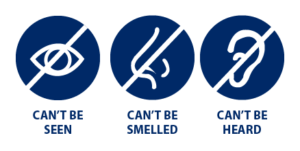
Carbon Monoxide is a real threat that not a lot of people are aware of. Carbon monoxide also known as the “silent killer” is a colorless, odorless gas that is very toxic to humans and animals in high concentrations. If inhaled it can affect you without warning. When exposed, it can have serious long term effects on your health. It basically displaces the oxygen in your body’s blood and cause sever damage to the brain, heart and other vital organs which require oxygen. Symptoms of carbon monoxide poisoning include headache, fatigue, nausea, dizziness, chest pain, and/or muscle weakness. Everyone can be at risk for CO poisoning but people with heart and respiratory problems, young children, and the elderly are at a higher risk.
How is it Produced?
According to Occupational Safety and Health Administration (OSHA), it is a common industrial hazard resulting from the incomplete burning of natural gases and materials that contain carbon such as wood, oil, propane, coal and gasoline. So where can carbon monoxide come from? Most commonly home appliances like fireplaces, gas water heaters, gas furnaces, and wood burning stoves are able to produce the odorless gas. Also if your home’s venting system is installed improperly and you happen to have a gas leak, it can cause the gas to stay in your home instead of venting it outside.
Preventing Carbon Monoxide
So how do you avoid carbon monoxide poisoning? By being prepared! The Centers for Disease Control and Prevention (CDC) recommends the following guidelines
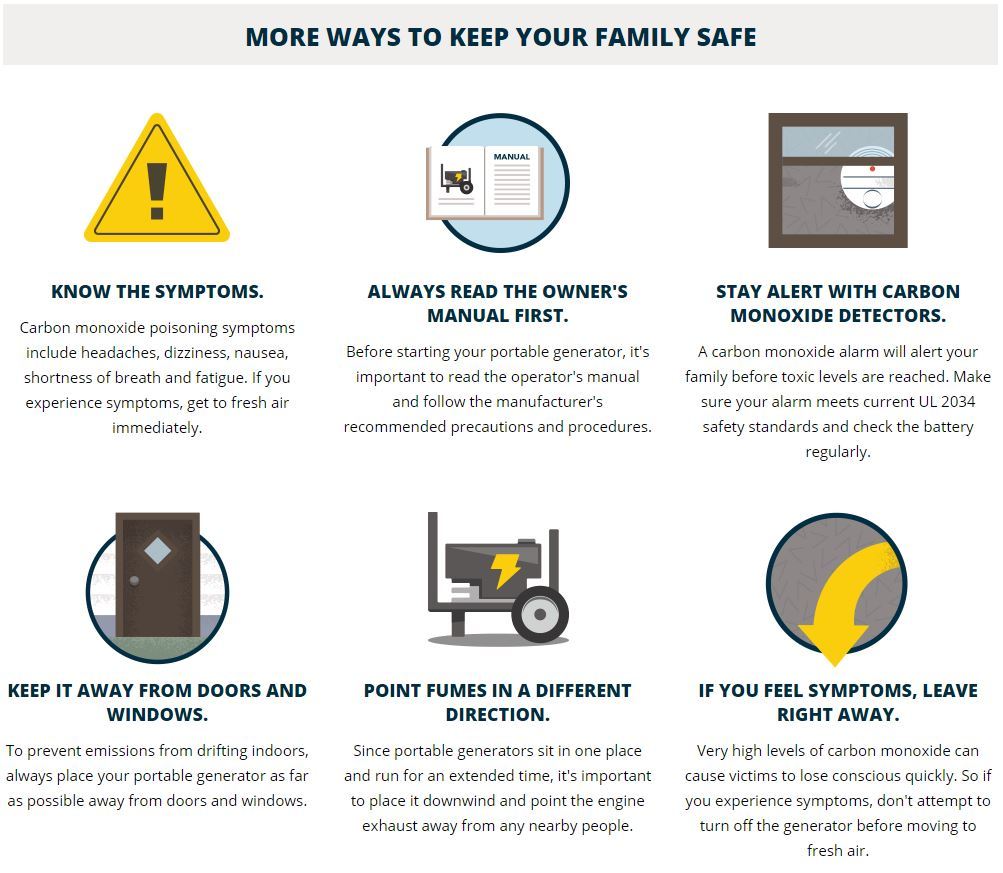
- Have your heating system, water heater and any other gas, oil, or coal burning appliances checked and serviced by a qualified technician every year.
- Check and install a battery-operated or battery back-up CO detector in your home.
- Check and/or replace the batteries when you change the time on your clocks each spring and fall. If the detector sounds leave your home immediately and call 911.
- If you suspect CO poisoning and feel dizzy, nauseated or light-headed seek medical attention immediately.
- Don’t use a generator, charcoal grill, camp stove, or other gasoline or charcoal-burning device inside your home, basement, or garage or near a window.
- Even if you leave the garage door open never run a car or truck inside a garage attached to your house.
- Don’t burn anything in a stove or fireplace that isn’t vented.
- Never heat your house with a gas oven.
- Don’t use a generator, pressure washer, or any gasoline-powered engine less than 20 feet from any window, door, or vent.
Remember if you smell and/or suspect a gas link to immediately call 9-1-1 or PGE at 1-800-743-5000.
Follow us: [wp-svg-icons icon=”google-plus-4″ wrap=”i”] [wp-svg-icons icon=”facebook-2″ wrap=”i”] [wp-svg-icons icon=”instagram” wrap=”i”]