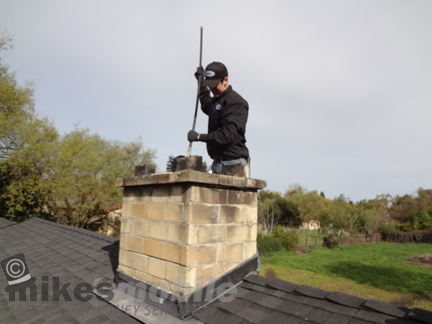
Fireplace Safety: Decorating 101 for Christmas


 Fireplace Safety Tips for Holiday Decorating  
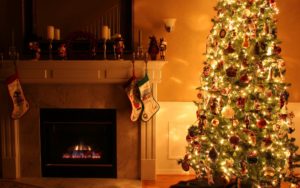
xmas fireplace safety
 

Although a beautifully decorated hearth is a Christmas tradition, those decorations can pose a fire hazard if placed too close to your fireplace. Before decorating for the upcoming holidays, there are a few fireplace safety tips you should know.


Follow the 3 Foot Rule

Both the Chimney Safety Institution of America and the National Fire Protection Association recommend creating a 3 foot zone around your fireplace. Combustible materials such as decorations, paper, throw pillows and blankets should be kept beyond the 3 foot zone. This also includes you Christmas tree. Both synthetic and real trees can catch on fire if they are placed too close to the fireplace.


Do Not Hang Decorations from the Mantle

Ribbons, garland and greenery dangled from the mantle provide a beautiful effect to your hearth and fireplace, but it can also be dangerous. Don’t let decorations to dangle from the mantle, as hanging flammable materials too close can ignite either from the heat of your fireplace or from an errant spark.




xmas decors xmas decor


Remove Stockings Before Lighting a Fire

Hanging up stockings in front of the fireplace is a holiday tradition, however make sure that you carefully remove them from the mantle before you light your fireplace. And, remember to observe the 3 foot rule and place the removed stockings safely away from the hearth.



xmas stockings


Fire-Resistant Decorations

A great option for decorating your hearth is to purchase decorations that are manufactured or treated to be fire resistant. These can make a great option for decorating your hearth as they are safer to use. Keep in mind that fire-resistant doesn’t mean that these objects won’t burn, it just means that they are less likely to accidentally ignite. You should still observe fireplace safety tips when placing fire-resistant decorations on your mantle or near your fireplace.


Use a Spark Guard

A spark guard is a great option for making your hearth safer this winter season if you have an open-hearth fireplace. What is a park guard? A spark guard is a mesh screen placed over the fireplace opening to prevent embers from crackling out of the fireplace. It can help keep your Christmas decorations, furniture and flooring safe from sparks.
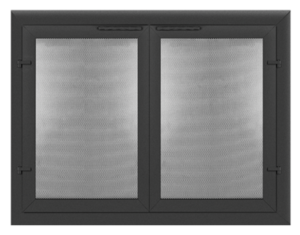
 

sparkguard
 

Keep a Fire Extinguisher on Hand

Even if you have followed all of the other tips for safely decorating near your fireplace, you still should have a fire extinguisher on hand. Make sure that the extinguisher is operational and current and that everyone in the home knows where the fire extinguisher is and how to use it in case of an emergency.
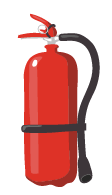
xmas extinguisher
 

If you need help preparing your hearth for the winter holidays, call Mike’s Mobile Screen & Chimney Service today! (877) 520-3595

Follow us: [wp-svg-icons icon=”google-plus-4″ wrap=”i”]  [wp-svg-icons icon=”facebook-2″ wrap=”i”]  [wp-svg-icons icon=”instagram” wrap=”i”]
 

Winter is Coming!

Chimney Sweeps – Winter is Almost Here!


Guess what time it is?!

It’s time to get your home’s chimney and fireplace inspected! Summer has officially drawn to a close and Fall has already begun! Which means your home’s heating appliances will be heavily used this upcoming Winter!

Do you know why it is important to have your home’s heating appliances ready before the cold season approaches?

Well it is recommended by the National Fire Protection Association that homeowners should have their chimneys cleaned and inspected annually. If you haven’t had yours swept yet, don’t wait until the very last minute to schedule your needed inspections and repairs! Here at Mike’s Mobile Screen & Chimney Service, we offer a full chimney services. Mike’s Mobile also does the following services to our customers including: chimney cleanings, inspections, repairs, fireplace rebuilds, masonry work and much more! Our company also serves the surrounding areas including: West Sacramento, Davis, Carmichael, Citrus Heights, Cameron Park, El Dorado Hills, Rocklin, Folsom and more!

Click here for more information on our other services

Call Mike’s Mobile today and set up an appointment! (877) 520-3595

[wp-svg-icons icon=”facebook-2″ wrap=”i”] [wp-svg-icons icon=”google-plus-3″ wrap=”i”]

Tips on How to Prevent a Chimney Fire

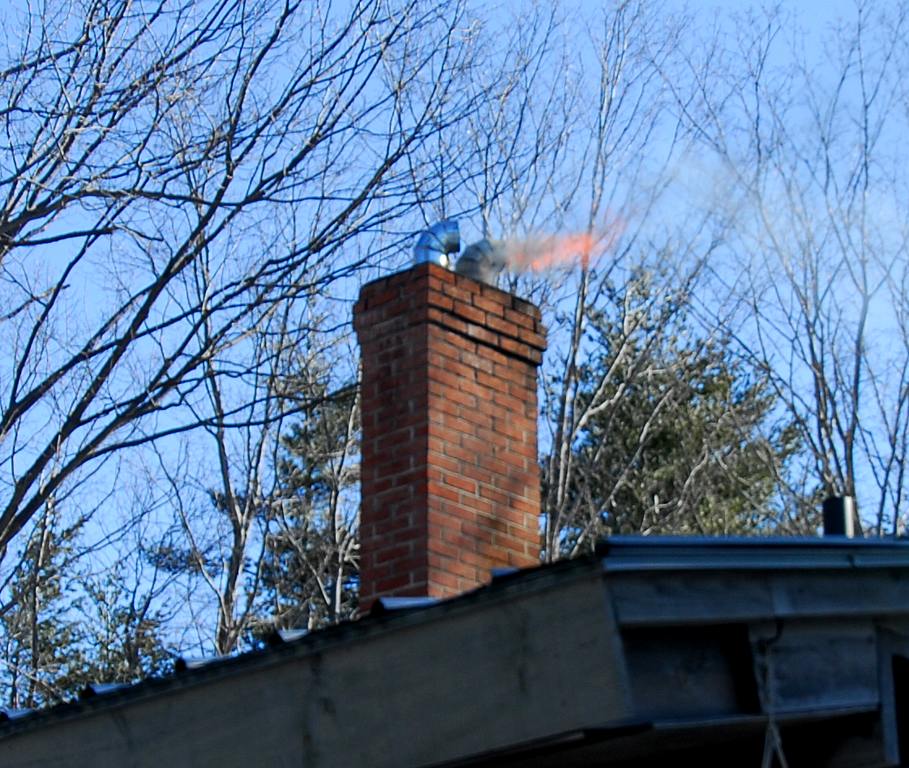
If you don’t give much thought on the condition of your chimney before lighting fires to warm you up during the chilly season, you and your home could be in danger. When the winter season gets super cold, there tends to be a sharp increase in chimney fires. So what causes a chimney fire? How do I know if I have one? Well the following text will give you helpful tips on how to identify and prevent any future chimney fires.


Chimney-Fire

So what causes a chimney fire?

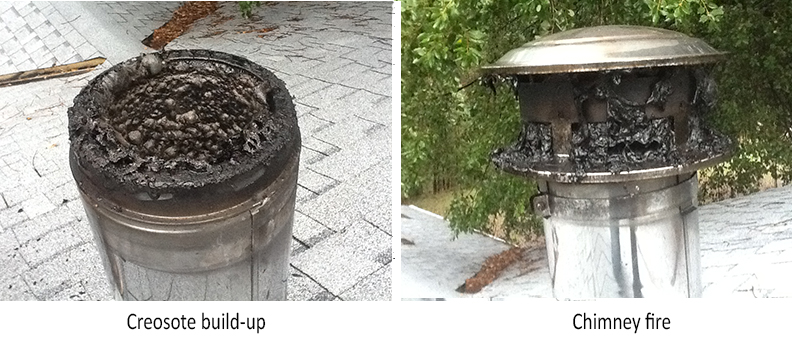
A dirty, unkempt chimney leads to chimney fires. Which can lead to damaging structures, destroying homes and even injuring or killing people. Chimney fires are usually caused by the accumulation of creosote in the chimney. Creosote accumulates in the flue over time and is highly flammable. Creosote is especially likely to accumulate when wood is not being burned at the proper temperature. When it accumulates on the walls of your flue, hot flue gasses can ignite it, resulting in a chimney fire. Depending on the condition of your chimney, such a fire can pose a significant threat to the rest of your house. Furthermore the flames from the fire can find their way through cracks in your clay chimney liner or mortar and ignite framing around the chimney.

What are the indications of a chimney fire?
  • Flames or dense smoke may shoot from the top of the chimney
  • Loud cracking, and popping noises
  • An intense hot smell
  • Low rumbling

Creosote-Chimney-Fire
I just moved into a new home/property, how do I know if my chimney has had a chimney fire?
A chimney fire can occur without the homeowner being aware so it is really important to have your chimney inspected regularly by a certified chimney technician. These are the signs that a certified chimney sweep looks for:

  • Flaky or Puffy creosote
  • Any warped metal seen from the damper, smoke chamber connector pipe or factory-built metal chimney
  • Cracked or damaged flue tiles
  • Cracks found on exterior masonry
  • Distorted rain cap
  • TV antenna (that may be attached or be near chimney) is heat-damaged
  • Some roofing material is damaged from hot creosote
  • Smoke escaping through mortar joints from masonry/tile liners

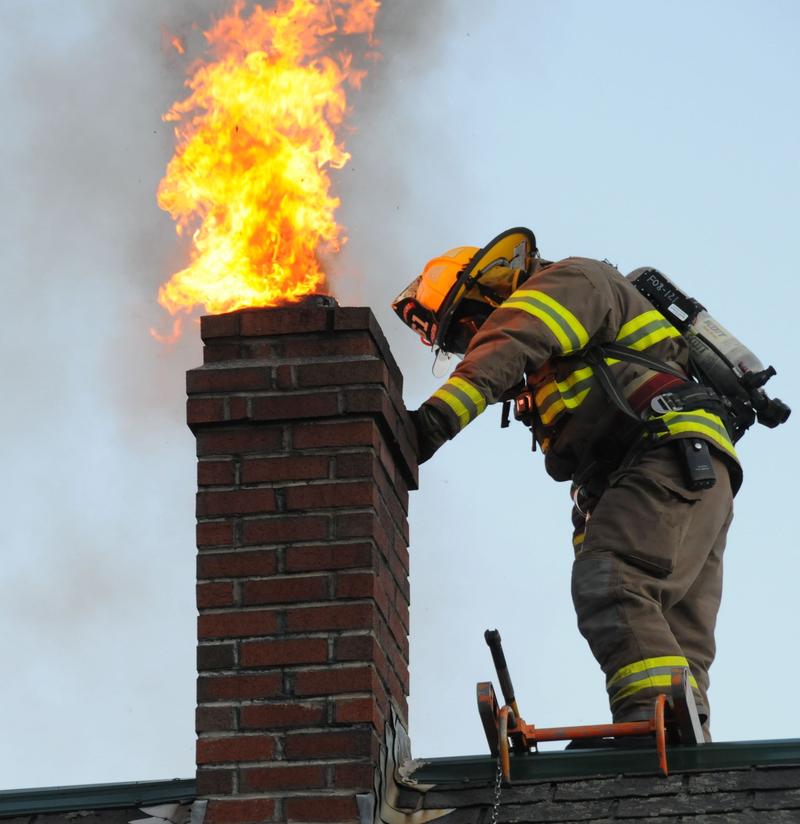
firefighter-chimney-fire

So how do I prevent a chimney fire?

  • Have your chimney cleaned at least annually. The National Fire Protection Association Standard 211 says, “Chimneys, fireplaces, and vents shall be inspected at least once a year for soundness, freedom from deposits, and correct clearances.
  • Allow your firewood to dry for at least a year before burning it, if possible. Burning fresher (or wet) wood can lead to creosote building up and increases your chance of having a chimney fire.
  • Do not burn too hot of a fire. The hotter the fire is the greater the chance that the creosote will ignite.
  • If you have petroleum or gas heating systems, make sure they have a carbon monoxide near the heat source.
  • Should you find yourself near an active chimney fire, please do the following:
  • Immediately call 911! Even if the chimney fire is extinguished, hot spots still poses as a serious threat.
  • NEVER use water to put out the flames! Direct contact with the hot walls can lead to cracking, which can lead to much bigger problems.
Once you are safely out of that situation and the chimney fire has been put out, call one our certified chimney technicians from Mike’s Mobile Screens & Chimney Service to come out and inspect your chimney so that we can right away start repairs! Call us at [button link=”tel:18775203595″ type=”big”] (877) 520-3595[/button]! For more information on all the chimney services we offer, visit us @ http://lhi.19f.mywebsitetransfer.com/chimney-services/

Follow us: [wp-svg-icons icon=”google-plus-4″ wrap=”i”]  [wp-svg-icons icon=”facebook-2″ wrap=”i”]  [wp-svg-icons icon=”instagram” wrap=”i”]
Why is a Chimney Liner and Chimney Lining System Important?

Believe it or not chimney liners actually play an important part in keeping your home safe.

So what is a chimney liner? First let’s define what a chimney liner actually is.

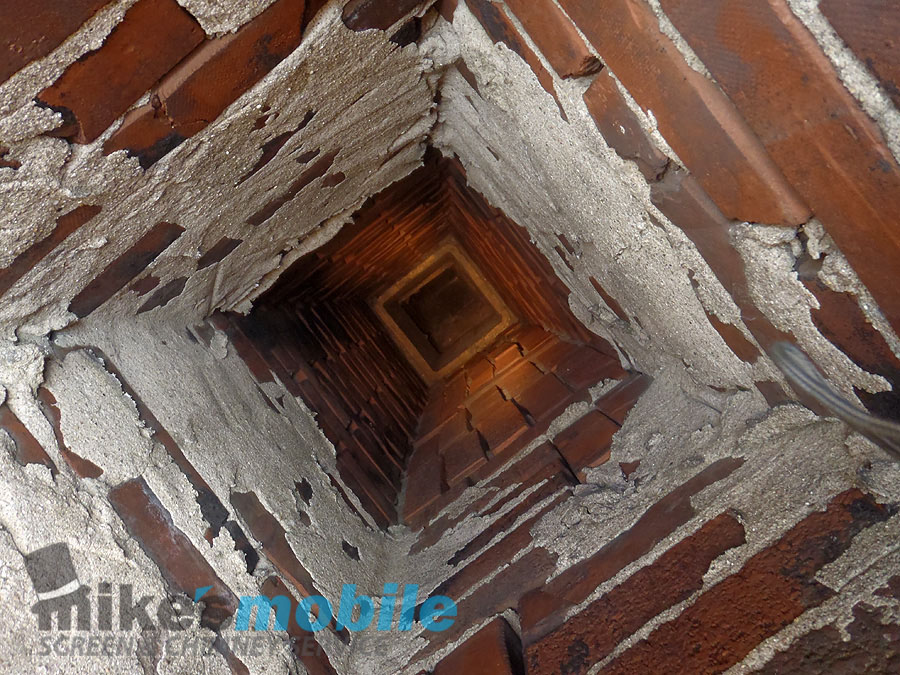
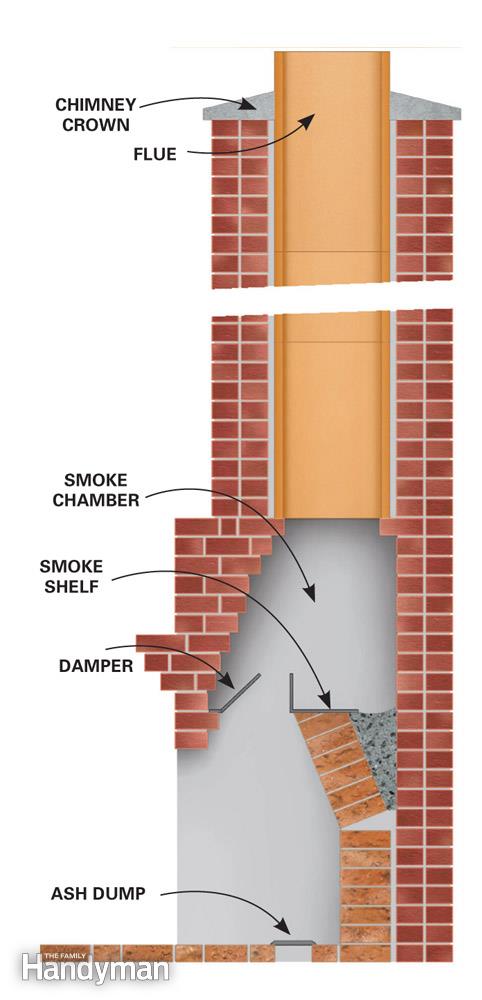
chimney-liner-diagram
Chimney liners in your masonry chimney are built with terra-cotta clay tiles that are stacked on top of each other and mortared together. A chimney liner is a gas-tight and heat-resistant insulator that protects your home’s masonry chimney.

Another type of liner is a stainless steel liner. These are often found attached to a furnace, wood stove or fireplace. Your heating source will vent up through the stainless steel liner. It is housed inside of your existing brick structure.

New liners gives us efficient chimneys that are safe to use and solve most issues regarding drafting. If a liner is absent or has cracks, there could be heat transfer and gas leaks to combustible materials which can cause a fire seepage through your home’s brick and mortar.

damaged-liner-mikes-mobile

What are the functions of a chimney liner?

  • Prevents damage to your masonry fireplace and chimney.- Bricks, believe it or not, are actually very porous. When you have active flames in your fireplace, the combustion creates corrosive by products. Essentially the mortar joints are eaten away by the corrosion which allows for rapid heat transfer. If this goes unnoticed or not taken care of, eventually dangerous problems like carbon monoxide can leak into your home.
  • Protects you and your home from accidental chimney fires.
    – Another reason why a liner is important, they prevent the risk of accidental fires from breaking out in your home. Chimney liners limit the heat transfers from coming into too much contact with the supporting structures or combustible framing that are near your chimney. These prevent fire hazards from breaking out.

Need to have your chimney lined or maybe realigned? Call Mike’s Mobile Screens & Chimney Service to come out and inspect your chimney so that we can right away start any and all repairs! Call us at [button link=”tel:18775203595″ type=”big”] (877) 520-3595[/button]! For more information on all the chimney services we offer, visit us @ http://lhi.19f.mywebsitetransfer.com/chimney-services/

Follow us: [wp-svg-icons icon=”google-plus-4″ wrap=”i”]  [wp-svg-icons icon=”facebook-2″ wrap=”i”]  [wp-svg-icons icon=”instagram” wrap=”i”]
Waterproofing to Avoid Efflorescence

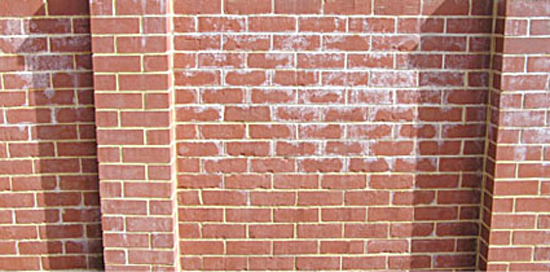
efflorescence_on_brick

What is Efflorescence?

Efflorescence comes from a French word meaning “to flower out.” In chemistry, and in the real world, efflorescence is the loss of water (or a solvent) of crystallization from a hydrated or solvated salt to the atmosphere on exposure to air.

Where does it happen? 

While efflorescence can occur in natural settings it is most commonly seen on built structures. It is especially visible on porous materials like brick. If you do not know what efflorescence is, you may think that it is purely cosmetic. It will appear as a chalky residue on the outside of the brick structure.

What causes efflorescence?

Simply put, if you see efflorescence you have water intrusion. Once water penetrates the brick it will “flower out,” (remember the French definition?) Once water has entered your structure it will freeze and expand causes the integrity of the structure to come into question

What can you do to protect against efflorescence?

Although brick is very durable, extreme weather can have an adverse effect on it over time. Waterproofing your brick/veneer structure will help ensure that your brick work lasts as long as possible. Your brick and your home can benefit tremendously from waterproofing.

“Most sealants are made with siloxane, which chemically bonds to the material and prevents water from passing through it. This type of brick waterproofing sealant is clear, so it does not change the appearance of the building. In fact, rather than staying on the surface of the structure, brick sealant penetrates the material. It will need to be reapplied to older brick structures about every four to seven years, and newer buildings approximately every five to ten years.”

How to Start a Fire

Steps to Start a Fire in your Fireplace

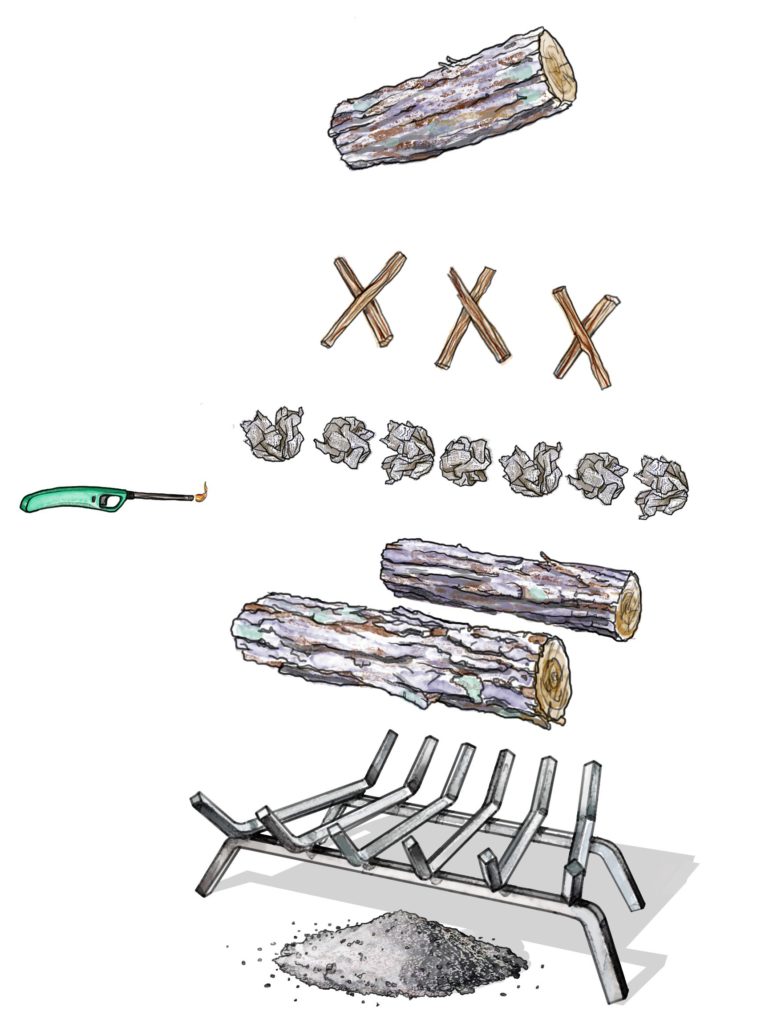
How to start fire steps

1. Before you doing anything else and start fire, be sure to open the damper! You don’t want to accidentally fill up your house with smoke. Hold up a piece of burning, rolled up newspaper in the open damper for about 10 to 15 seconds by using the poker tool. Then light the tinder.

2. You’ll need three things to start your fire: Tinder, Kindling, and Fuel.

You can use small twigs, pine needles or pine cones as tinder. However, old crumbled up newspaper makes the very best tinder when starting a fire in your fireplace.

Kindling such as large twigs, small branches and splits of wood that range from 1/4″ to 1″ in thickness will do.

When fueling your fireplace only use well-seasoned hardwood such as ash, hickory or oak. If you really need to burn soft wood (cedar, fir or red pine) make sure that they are well-seasoned. Signs of seasoned wood are loose bark and cracks at the end of the wood. If you see bubbling liquids in the burning logs, DO NOT BURN!

3. To start the fire begin by arranging 2 (small to medium sized) pieces of firewood on the grate. Between the logs, place the tinder of your choice and cover it with several pieces of kindling.

Don’t be afraid to be generous with the kindling. Place two more pieces of firewood on top of the kindling and two more pieces of firewood at a right angle. Leave some spaces in between for air circulation.

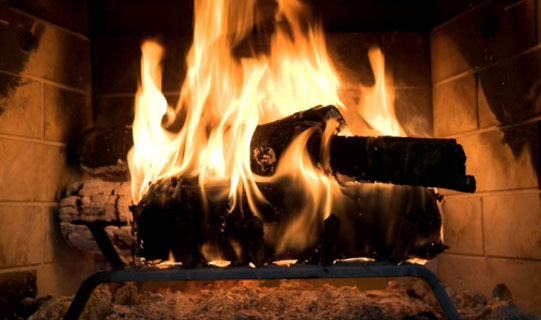
Now you should have a nice burning fire, warming up your home!

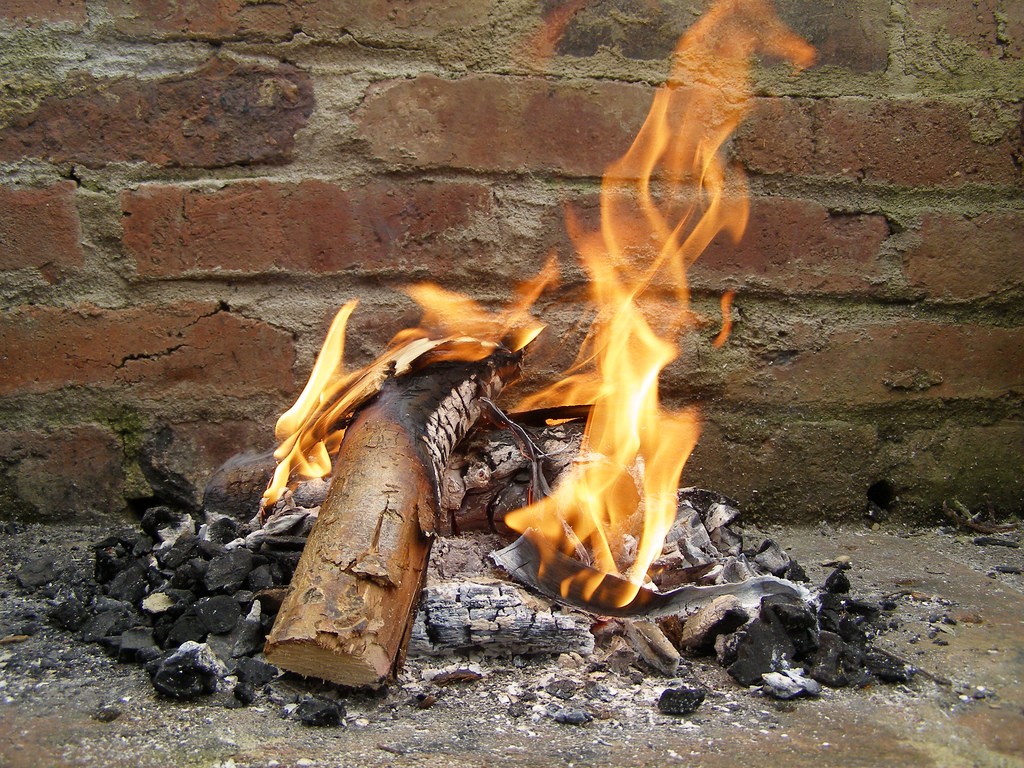
Warm Fire Fireplace
 

Follow us: [wp-svg-icons icon=”google-plus-4″ wrap=”i”]  [wp-svg-icons icon=”facebook-2″ wrap=”i”]  [wp-svg-icons icon=”instagram” wrap=”i”]
Creative Ways to Use Your Fireplace Ashes

fireplace-ash

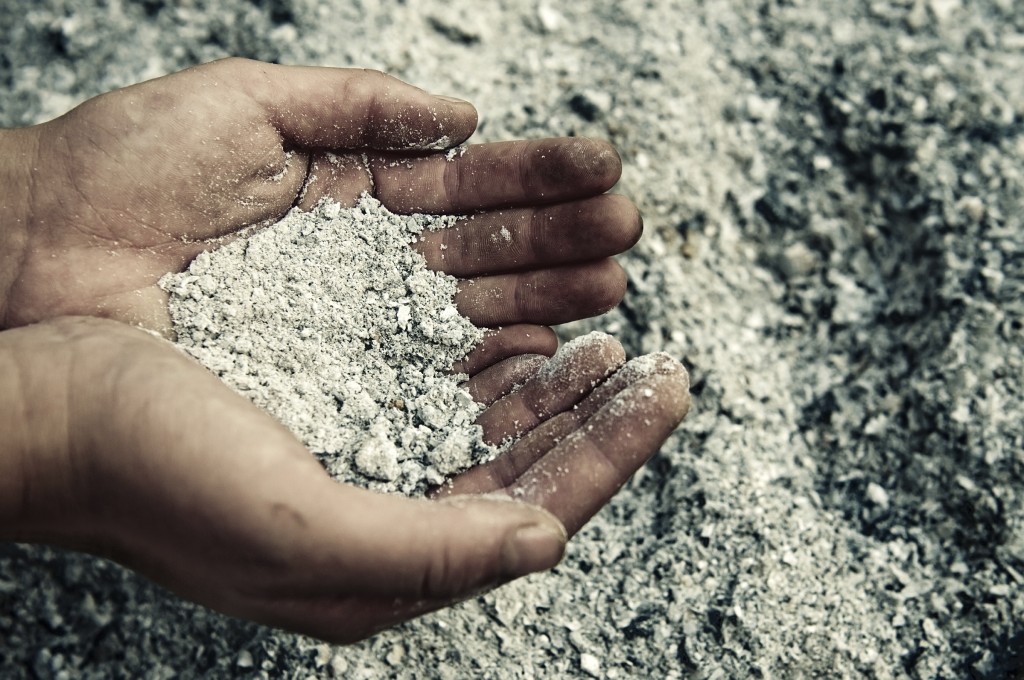
Since Winter season has begun many people have been enjoying the chilly season by warming up next to their fireplaces.But with the constant use of their fireplaces, ashes begin to build up. Most people would just throw out their fireplace ashes however I recommend that you don’t do that right away! Believe it or not ashes (specifically wood ashes) actually have many uses that can benefit your home and garden.

ash-hand


Use of Ashes Around the Home

  • Did you or your pet get skunked? Rub the affected area with ash onto you or your pet, leave it on for a few minutes.
    Then rinse off the ash, dry and repeat the process if necessary.
  • Besides getting rid of funky skunk smells, fireplace ashes can help neutralize any musky, weird smelling odors
    (much like baking soda).
  • You can use it to melt the ice off of driveways and pathways.
  • Make fireplace ash into a paste to shine/polish silver and make it look new!


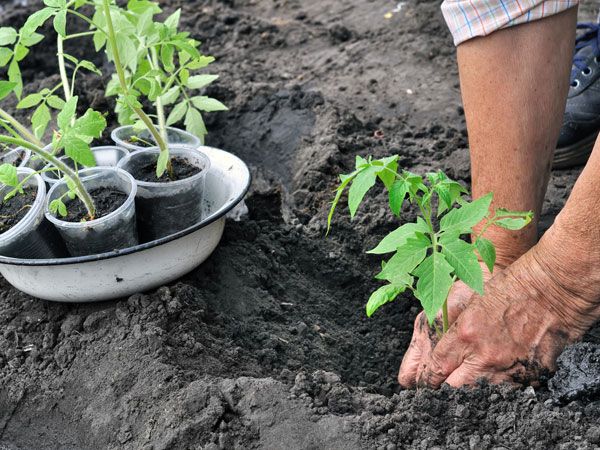
ash-garden

Use of Ashes Around the Garden

  • Raise your soil’s pH levels. Using the ashes helps to neutralize the soil (especially if the soil is overly acidic or if you
    have any alkaline loving plants).
  • Use the fireplace ashes as a good nutrient addition to your compost (just be sparse with it as you do not want to
    make your compost too alkaliney). 


** Before using fireplace ashes remember to remove them from the fireplace no less than 24 hours after a fire has stopped burning. Be sure store them in a closed metal container until you’re ready to put them to use! **

** Remember the above suggestions are only for wood ashes. Other ashes such as coal ash and charcoal brisquettes contain toxins and heavy metals that can harm plants and shouldn’t be placed in your garden or even used as a replacement/substitute for wood fireplace ashes. **


Follow us: [wp-svg-icons icon=”google-plus-4″ wrap=”i”]  [wp-svg-icons icon=”facebook-2″ wrap=”i”]  [wp-svg-icons icon=”instagram” wrap=”i”]
Why Should You Clean Your Pellet Stove Annually?

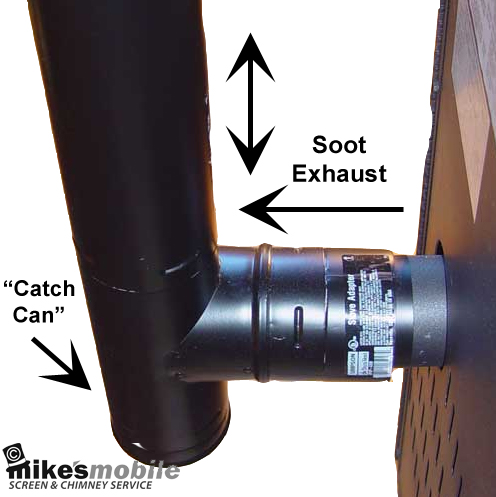
pelletPellet stoves are extremely efficient and can be plugged into a standard electrical outlet. Fans inside them maximize their efficiency. The fans deliver warm air back into the home, but also present a problem on the other side. Pellet stoves require more maintenance than traditional fireplaces and insert wood burning stoves because the fans push air and soot around to all of the nooks and crannies of your pellet stove. There are several parts to a Pellet stove which makes it prone to malfunction if not cleaned annually. The parts include: A hopper, an auger system, blower fans, main control box and a firebox. Pellets are loaded into the hopper and then the auger system moves them to the firebox where they are burned. Blower fans take in the cool air from the room to provide fuel for the fire, while another fan blows the warm back out into the room. An exhaust fan pushes the soot out of the back to a vent system known as a T-connection. This T-connection has a built in safety feature called the “catch can.” While this safety feature is a good thing (short term), the soot piles up and will eventually present a problem. Soot will clog the vent (T-connection) and will burn out the fan. Fan motors cause costly repairs for homeowners.

Having your Pellet stove serviced each year by a chimney professional is important and will ensure efficient operation. This kind of consumer vigilance will result in being able to enjoy the efficiency of your pellet stove for years.

How Do I Know If I Really Had My Chimney Cleaned Properly?

proper chimney cleaningProper chimney cleaning is very important. Mike’s Mobile Screen & Chimney Service trains our technicians to adhere by CSIA standards when cleaning your chimney. This means you, as the homeowner, will get unmatched service and a thorough cleaning and inspection. All of our chimney cleanings come with a Level I inspection. Our technicians start from the inside and inspect the firebox. At this time we will make sure your damper seals shut. If it doesn’t we will tape up the opening of your fireplace with tarps to avoid any mess to your home.

Once we have taken the proper precautions, and inspected the firebox, our inspection and cleaning moves to the roof of your house. Our technicians check for flashing, water damage, and the structural integrity of your chimney. Mike’s Mobile systematically checks your chimney and fireplace to make sure you have a complete inspection.

How Often Should I Have My Chimney Cleaned?

chimney_sweepSo how often should I have my chimney Cleaned? According to the National Fire Protection Agency (Source: NFPA), ” a yearly inspection and cleaning and repairs done as necessary. Freestanding woodstoves or fire place inserts used to heat the home should be inspected and cleaned if needed every year. Regular, open fireplaces need to be maintained and cleaned on a consistent basis as well. Usually, a cleaning is needed for every cord of wood burned or at least 2-3 years.”