What is Glazing..and What is De-glazing?

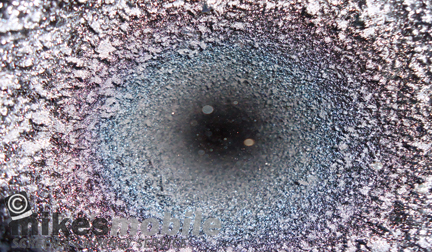
glazingAfter you burn a fire the wood will eventually cool down. When it cools down, you create creosote. Creosote is a liquid that gets attached (or condenses) to the inner wall of your flue or connector pipe.  The creosote will dry out and become hard and become one of 3 stages. Stage 1 (velvet soot), Stage 2 porous and crunchy in makeup or Stage 3, shiny, rock-hard chimney glaze. The more fires you have, the more build up you are creating.

If this happens to your chimney you will need to have a De-glazing done. This is a two steps process. Mike’s Mobile uses a product called ACS (Anti Creosote Spray). We recommend that our effected customers make a few fires over the course of a few weeks and spray this the ACS into their fire. ACS changes the chemical make up of the creosote and weakens it. We can then come out to your home and clean your chimney.

Christmas Tree Safety

safetreeThings to consider about Christmas Tree Safety

Picking The Tree
Choose a tree with fresh, green needles that do not fall off when touched.

Placing The Tree
Before placing the tree in the stand, cut 1-2” from the base of the trunk.

Make sure the tree is at least three feet away from any heat source like fireplaces radiators, candle, heat vents or lights.

Make sure the tree is not blocking an exit.

Add water to the tree stand. Be sure to add water daily.

Lighting The Tree
Use lights that have the label of an independent test laboratory. Some lights are only for indoor or outdoor use

Replace any string of lights with worn or broken cords or loose bulb connections of mini string sets and a maximum of 50 bulbs for screw-in bulbs. Read manufacturer’s instructions for number of LED strands to connect.

Never use lit candles to decorate the tree.

Always turn off Christmas tree lights before leaving home or going to bed.

10 Tips For The Heating Season

checkmark

  1. Have your furnace inspected and serviced by a qualified professional.
  2. Have your chimney and vents cleaned and inspected by a qualified professional.
  3. Make sure your wood for your fireplace is dry and seasoned.
  4. Check to see if your fireplace screen or heat tempered glass is in good condition and securely in position.
  5. Keep a covered metal container ready to use for disposal of cooled ashes (Keep this at least 10 feet from your home).
  6. Inform children to stay 3 feet away from the fireplace or wood stove.
  7. Make sure that space heaters have an automatic shut off.
  8. Make sure to have space heaters directly plugged into an outlet (Do not use an extension cord) and place them at least 3 feet from anything that can burn.
  9. Inspect and test your smoke alarms
  10. Inspect and test your carbon monoxide alarms

How can I get an exemption from “No Burn Days?”

Exemption from No Burn Days!It is possible! Most people do not think this even exists but the counties we live in have made it possible to get an exemption from No Burn Days! Mike’s Mobile Screen & Chimney Service makes it easy for you! If you live in the San Joaquin Valley, download this form:

San Joaquin Valley Exemption Form

If you live in the Sacramento are please download this form:

Sacramento Exemption Form

Bay area, we have not forgot about you! The laws in your area are strict and we are looking into a solution for you. 

When Can I Use My Chimney?

Mike's Mobile Blog -Spare the Air

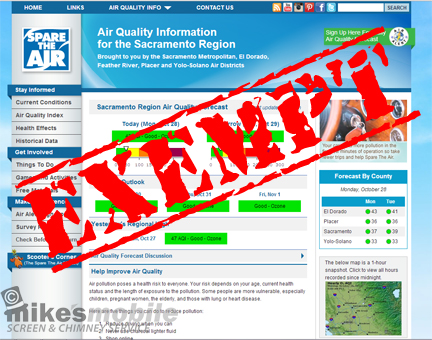
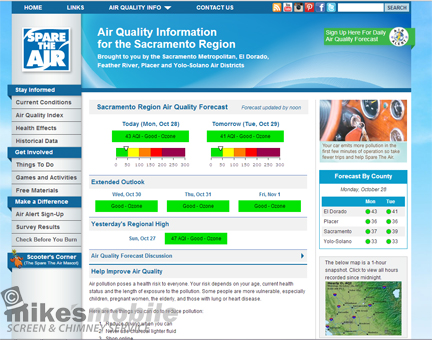
A common question is “How do I know when I can use my chimney?” We all hear talk about “No Burn Days,” but we might not know when these days are. If you live in the San Joaquin Valley, a loose guideline is that you need to check starting in November and ending in February.

If you are in the San Joaquin Valley (including the Sacramento area), you can check out http://sparetheair.com/ or call 1-877-NOBURN-5 (1-877-662-8765) to get the daily burn status.

If you are closer to the Bay Area, you will want to visit http://www.sparetheair.org

Burning safe is a common goal for all of us that use our chimneys. If you live in an area that does not get natural gas service or your chimney is your only source of heat, you can file for an exemption in your county and burn wood freely.

Fireplace Safety: Decorating 101 for Christmas


 Fireplace Safety Tips for Holiday Decorating  
xmas fireplace safety
 

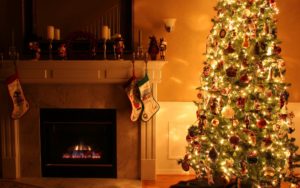
Although a beautifully decorated hearth is a Christmas tradition, those decorations can pose a fire hazard if placed too close to your fireplace. Before decorating for the upcoming holidays, there are a few fireplace safety tips you should know.


Follow the 3 Foot Rule

Both the Chimney Safety Institution of America and the National Fire Protection Association recommend creating a 3 foot zone around your fireplace. Combustible materials such as decorations, paper, throw pillows and blankets should be kept beyond the 3 foot zone. This also includes you Christmas tree. Both synthetic and real trees can catch on fire if they are placed too close to the fireplace.


Do Not Hang Decorations from the Mantle

Ribbons, garland and greenery dangled from the mantle provide a beautiful effect to your hearth and fireplace, but it can also be dangerous. Don’t let decorations to dangle from the mantle, as hanging flammable materials too close can ignite either from the heat of your fireplace or from an errant spark.




xmas decors xmas decor


Remove Stockings Before Lighting a Fire

Hanging up stockings in front of the fireplace is a holiday tradition, however make sure that you carefully remove them from the mantle before you light your fireplace. And, remember to observe the 3 foot rule and place the removed stockings safely away from the hearth.


xmas stockings


Fire-Resistant Decorations

A great option for decorating your hearth is to purchase decorations that are manufactured or treated to be fire resistant. These can make a great option for decorating your hearth as they are safer to use. Keep in mind that fire-resistant doesn’t mean that these objects won’t burn, it just means that they are less likely to accidentally ignite. You should still observe fireplace safety tips when placing fire-resistant decorations on your mantle or near your fireplace.


Use a Spark Guard

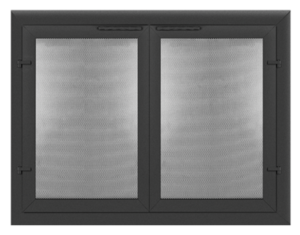
A spark guard is a great option for making your hearth safer this winter season if you have an open-hearth fireplace. What is a park guard? A spark guard is a mesh screen placed over the fireplace opening to prevent embers from crackling out of the fireplace. It can help keep your Christmas decorations, furniture and flooring safe from sparks.
 

sparkguard
 

Keep a Fire Extinguisher on Hand

Even if you have followed all of the other tips for safely decorating near your fireplace, you still should have a fire extinguisher on hand. Make sure that the extinguisher is operational and current and that everyone in the home knows where the fire extinguisher is and how to use it in case of an emergency.
xmas extinguisher
 

If you need help preparing your hearth for the winter holidays, call Mike’s Mobile Screen & Chimney Service today! (877) 520-3595

Follow us: [wp-svg-icons icon=”google-plus-4″ wrap=”i”]  [wp-svg-icons icon=”facebook-2″ wrap=”i”]  [wp-svg-icons icon=”instagram” wrap=”i”]


Why You NEED a CO and Smoke Detector

Beginning July 1, 2011, the Carbon Monoxide Poisoning Prevention act (Senate Bill SB1483) requites all single-family homes with an attached garage or a fossil fuel source to install carbon monoxide alarms. As well as per building code 310.9.1of California all residence must have smoke alarms.

As reported by the Consumer Products Safety Commission (CPSC) Approximately 200 people are killed by accidental CO poisoning with an additional 5000 people injured. The National Fire Protection Association (NFPA) also reported that three out of five fire deaths are the result of no smoke alarm present in home.

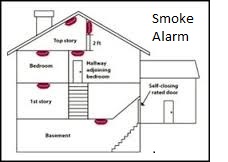
Smoke alarms should be installed in the following locations:

  • Each bedroom
  • Immediately outside the sleeping rooms and areas
  • On each level of home and basements (not including crawl spaces) and livable attics.
  • In dwellings with split-levels that have a door between adjacent levels, an alarm shall be located on each level.
  • Smoke alarms are not required in garages

Smoke Alarm

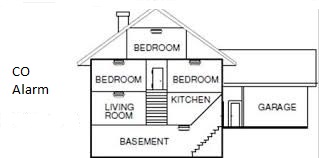
Carbon Monoxide Alarms (CO) should be installed in the following locations:

      • Immediately outside the sleeping rooms an areas.
      • On each story, including basements and livable areas.
      • They are not required in garages.

CO Alarm


Do I Really Need a Chimney Cap?

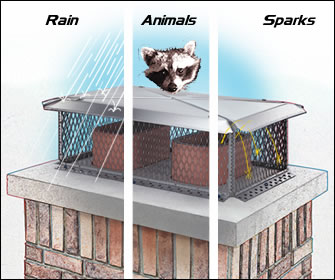
Chimney CapYour chimney cap closes the door on water entering your chimney and the damage that it causes. It also keeps out animals such as birds, squirrels, raccoons and other critters that may think your chimney looks like a good summer home. Storms that blow high winds can blow leaves and other debris into your chimney. These are blocked when you have a cap. Blockages that occur from these causes are often the fuel for dangerous chimney fires. The chimney cap (or guard) protects the home of the risk that sparks and airborne embers will land on your roof, causing a fire hazard. Yes, you really do need a chimney cap.
What Causes a Chimney Fire?

 
Mike's Mobile Screen & Chimney Service

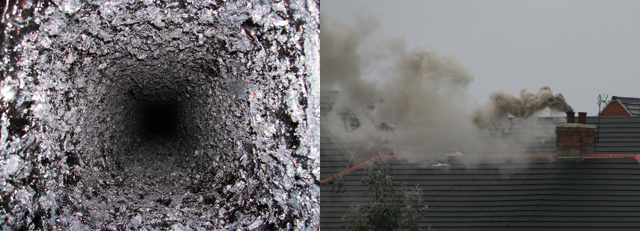
Chimney fires are usually caused by the accumulation of creosote in the chimney. Creosote is a natural by-product of burning wood. It accumulates in the flue over time and is highly flammable. Creosote is especially likely to accumulate when wood is not burned at the proper temperature. Since creosote is flammable, when it accumulates on the walls of your flue, hot flue gasses can ignite it. The result is a chimney fire. Depending on the condition of your chimney, such a fire can pose a significant threat to the rest of your house. Flames from the fire can find their way through cracks in your clay chimney liner or mortar and ignite framing around the chimney. They can also spill over onto the roof and cause a fire there.

Is Your Fireplace Damper Broken?

What is a Fireplace Damper?

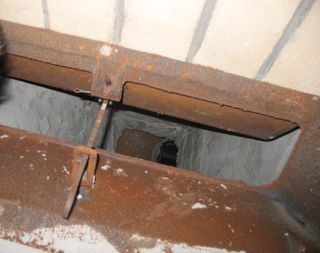
Masonry Throat DamperA fireplace damper is usually located at the throat of the chimney (masonry) just above the firebox. The damper is a lever meant to seal your fireplace when not in use. This is so heated air from your home will not escape up the chimney. An open or broken damper can add substantial costs to your heating bill each year.


How Does a Damper Work?

Most dampers have a metal to metal seal which isn’t ideal. Even when new this can cause air to leak through. As the fireplace gets used, the metal plates warp from the effects of heat and moisture. This seal will worsen and more watm air will escape from your home and up into the chimney.

Is There Something That Can FIx This Problem?

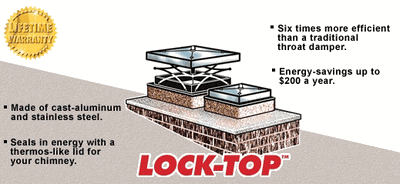
Yes! Replacing an out dated masonry damper with a Lock Top damper will save you money. Lock Top dampers are top mounted dampers that create a seal with a sillicome rubber gasket. When you close these dampers the warm air is seal in in your.

Lock Top Damper


How Can  Get a Lock Top Damper For My Home?

Mike’s Mobile Screen & Chimney Service offers Lock Top dampers to its customers. Call us today and get a free estimate over the phone! You can reach us toll free at (877) 520-3595