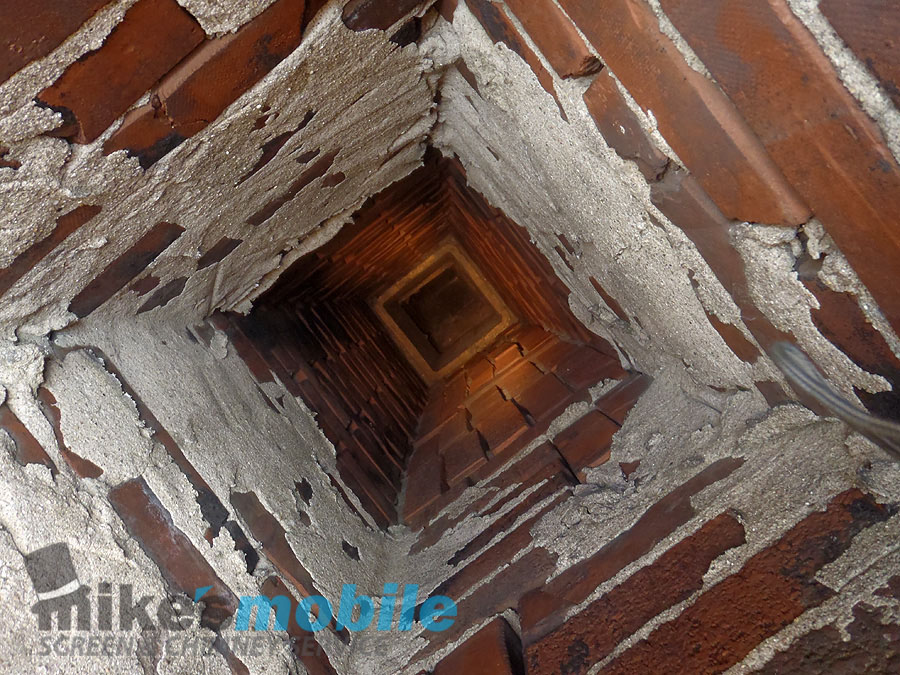
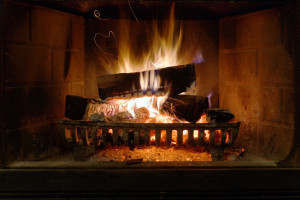
 Think small when it comes to starting a fire. First be sure that your chimney is ready for a fire. Have your chimney inspected and cleaned annually. Once you have determined that you can safely burn a fire, you will need to prepare the fireplace. Make sure that your damper is completely open.
Pick small pieces of wood and make sure that the wood is not over flowing your fireplace grate. This will ensure that you have enough room between the fireplace and the grate on all sides.
Listen carefully. Sizzling is a sign that the wood that you are burning still has water. This will cause extra smoke that can enter into your living room area.
Pick out proper wood for burning fires. Make sure that your wood meets the following criteria:
- Seasoned Firewood (Excess Moisture Takes Energy Out of a Fire)
- Proper size (Pieces Must Not be Oversized or Hanging Out of Your Fireplace)
- Pieces may need to be cut to fit properly

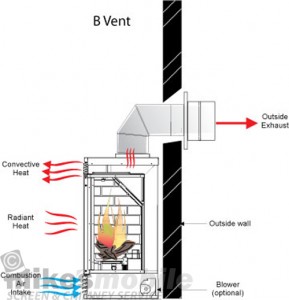 A natural draft gas fireplace DOES NOT HAVE a sealed chamber (where combustion takes place). Instead it relies on the buoyancy of hot gases to vent. It is important for these vent applications to be installed with an existing chimney that meets local building code or by using a B vent. A B vent is a pipe that is installed using the same procedures of a masonry chimney, but can be enclosed in a combustible material. Since the flue gases are hot and rise naturally, oxygen needed for combustion draws easily from the surrounding area of the fireplace. This creates a simple route for the gases to go up through the chimney. In turn, as the fireplace is used and the hot gases travel upwards, the walls of the chimney heat up, and retain their temperature and buoyancy, creating a faster speed with which the flue gases exit the chimney.
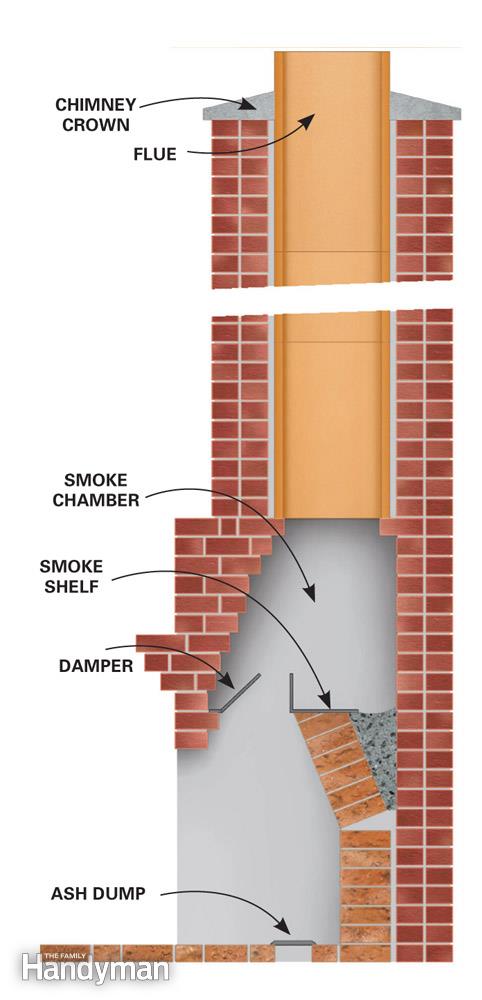
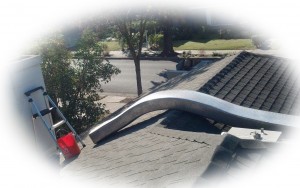 Let’s define what a lining system is first. Masonry chimneys have an inner liner of clay flue tiles. The liner keeps the heat of flue gases inside the chimney. Now the chimney can’t overheat the nearby combustibles, such as the framing and walls of your house, and possibly start a fire. The liner is also important because it keeps carbon monoxide, moisture, smoke, creosote, and other products of combustion from leaking through the bricks and mortar of your chimney and additionally into your home.
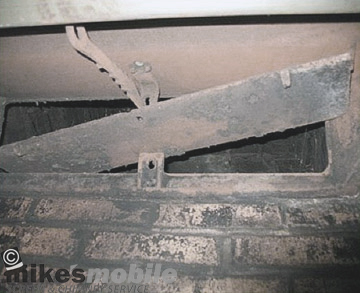 Your fireplace damper may leak because most fireplaces have a damper that form a metal to metal seal, you are probably losing money on energy costs. These dampers do not seal very well and in turn allow air to leak through. Over time the, poor, seal gets worse because of the metal plates warping due to the effects of heat and moisture.