Time to think about gutter cleaning!

gutter cleaning

Gutter Cleaning Services by Mike’s Mobile Screens and Chimney Services helps you to keep your gutters functioning properly and your home safe from water damage.

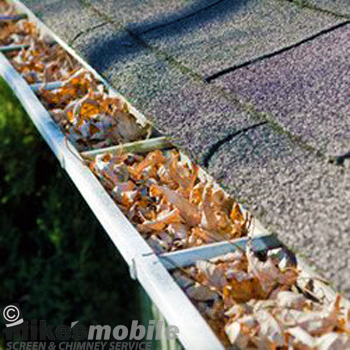
Although your gutters may not seem as important as your home’s roof, it definitely comes close. Properly functioning gutters direct water away from the structure of your home. Clogged gutters can cause water to collect around your home’s foundation, weakening the soil. Repairs made to a home’s foundation can cost thousands!

The American Homeowners Association states that the weight of water, twigs and other debris can loosen gutters and cause them to pull away from their attachments.

The National Center for Healthy Housing recommends cleaning your gutters at least twice a year, in the spring and in the fall. If you live in a wooded area, you may want to have your gutters cleaned more often.

Now get your head out of the gutters and call in the pros. Our insured and bonded technicians have the know-how and the experience needed to make sure your gutters are cleaned safely and effectively.

Have your gutters professionally cleaned by Mike’s Mobile today!

Call us toll Free (877) 520-3595
Don’t DIY Chimney Cleaning

Why You Shouldn’t DIY

Your Chimney Cleaning 


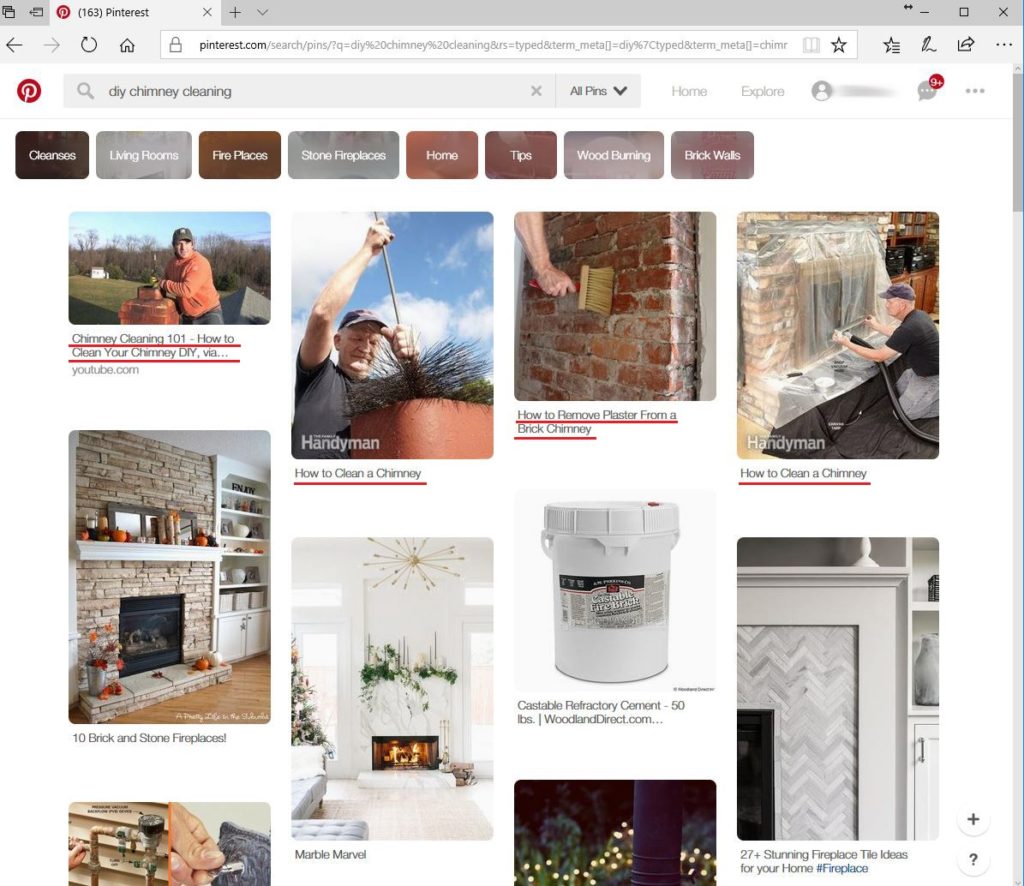
In the past few years there has been a lot of hype in regards to DIY (Do It Yourself). There are some websites and blogs such as Pinterest that say a homeowner doesn’t need a chimney sweep to perform a chimney cleaning and post videos that teach you how to perform a chimney cleaning.

Many posts online (such as Pinterest) say homeowners can clean out their own chimneys.


However there are certain things that homeowners’ shouldn’t take it upon themselves to do, such as cleaning their home’s chimney. There are some homeowners that may do a good job in maintaining their chimney but that’s only to a certain degree (no pun intended). Things such as creosote buildup, a damaged flue, live/dead critters, etc. can be overlooked when DIYing a chimney cleaning, which is why a chimney sweep needs to be called in.

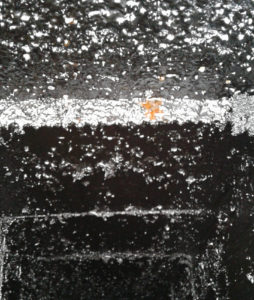
3rd Stage Glazed Creosote

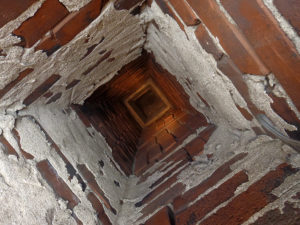
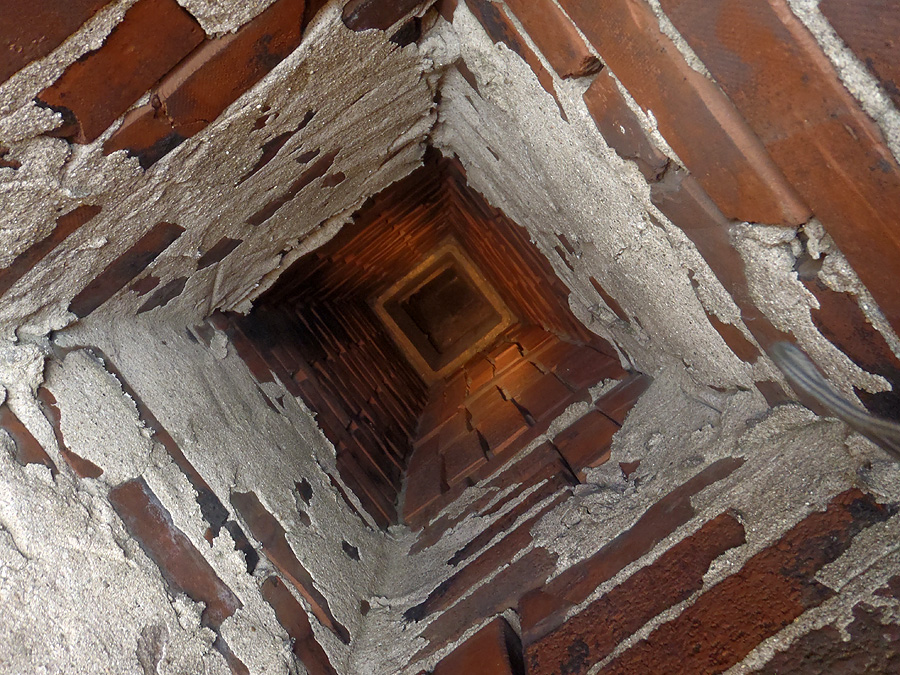
Damaged Flue Liner


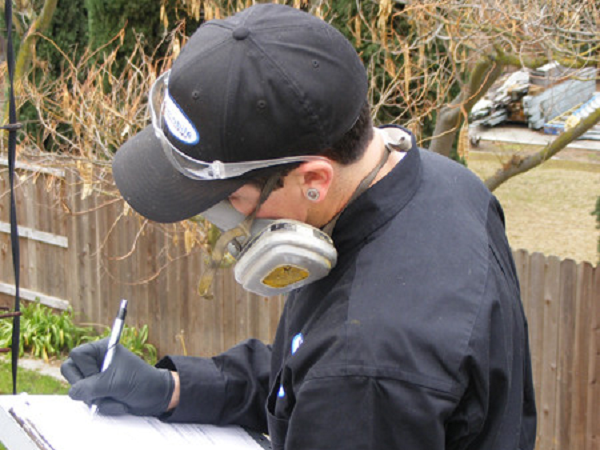
Chimney Sweeps are certified trained professionals who while cleaning your chimney also look for anything that may be wrong with your chimney. They also use the proper tools and equipment needed to clear out your chimney completely without creating any new problems along the way.

So before trying your hand on chimney cleaning, call one of our professional chimney sweeps today at 1 877 520 3595! or schedule an appointment with us online at lhi.19f.mywebsitetransfer.com/chimney-services/!

Follow us: [wp-svg-icons icon=”google-plus-4″ wrap=”i”]  [wp-svg-icons icon=”facebook-2″ wrap=”i”]  [wp-svg-icons icon=”instagram” wrap=”i”]

Why You Should Get Your Chimney Swept and Inspected

before-gamay

Getting your chimney swept and inspected are very important for your home. If you are using your fireplace, you should be getting a chimney sweep annually. This will prevent chimney fires as well as maintain your fireplace/chimney safe to burn in. The NFPA suggests that you get your chimney swept after each cord of wood that you burn and/or an annual safety inspection.

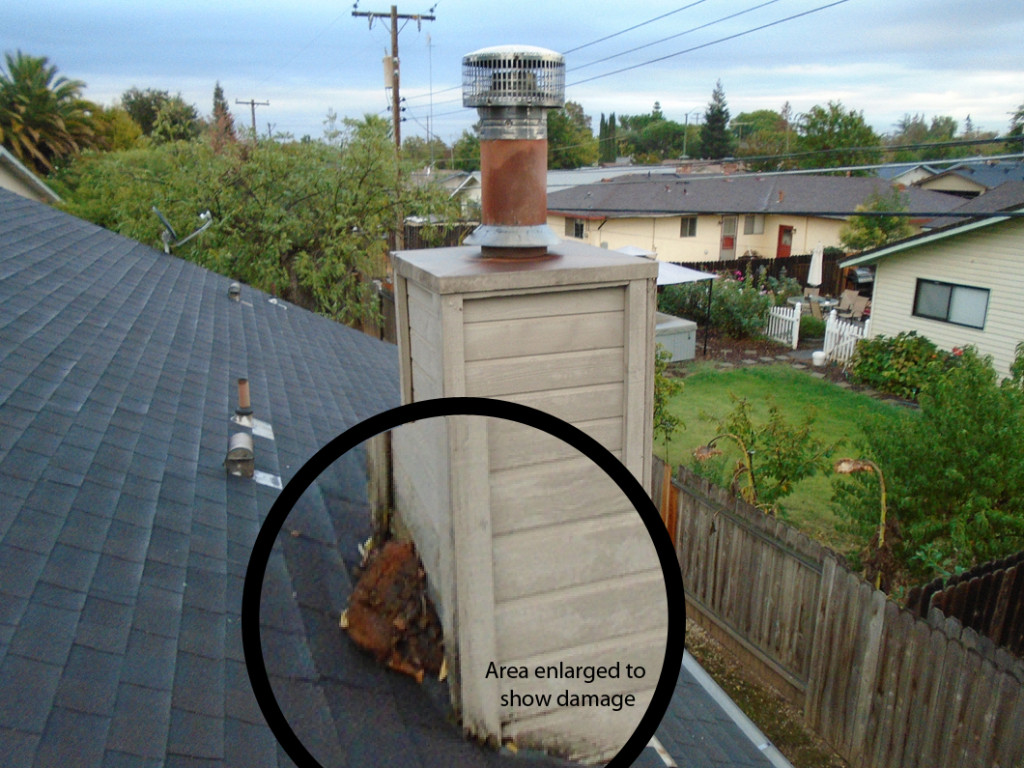
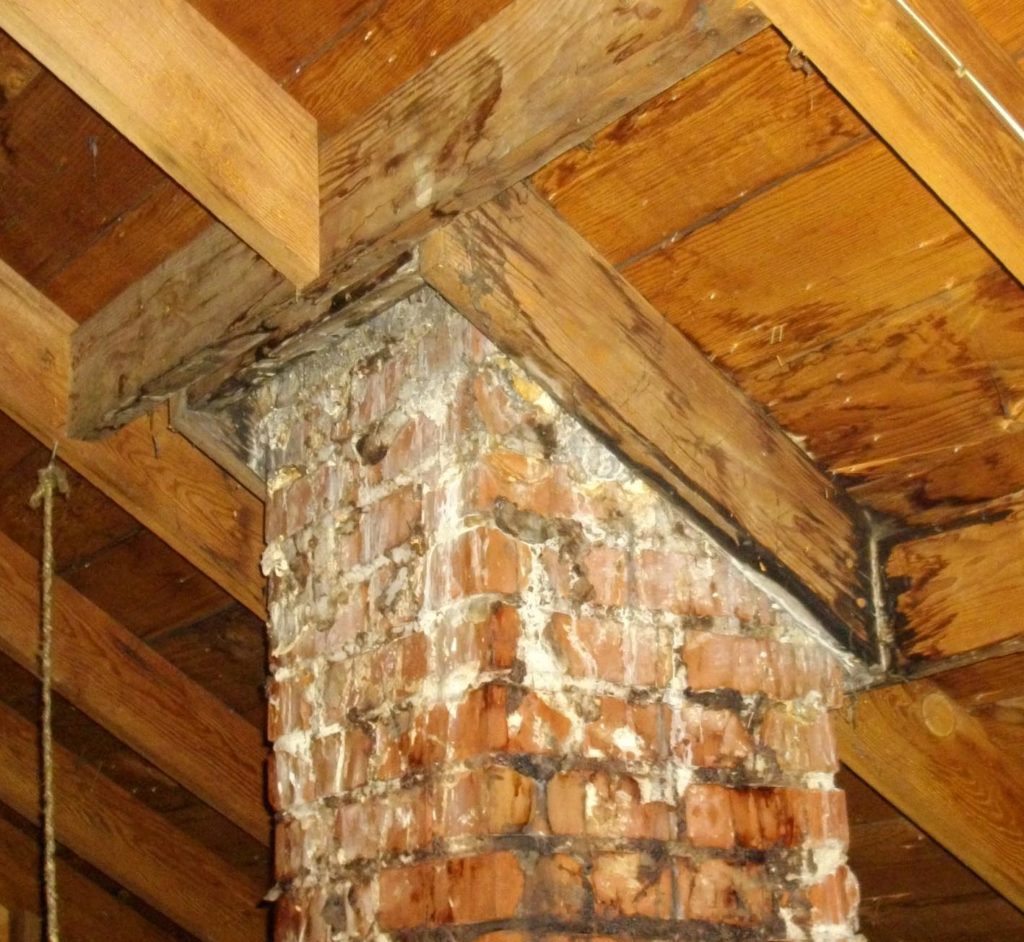
One way a chimney inspection can be beneficial is to find water intrusion. If your chimney, cap or flashing is not properly installed and sealed it can lead to a bigger mess. Water can get into cracks a spread. If water freezes, it will expand and further damage an area. If your flashing is not properly installed and sealed it can lead to severe damage on your roof. This can trickle down (excuse the pun!) and cause leaking. Take a look at the pictures to see what water can cause. There will be more articles about this to come! Stay tuned.

no images were found

The Dangers of Carbon Monoxide

Carbon Monoxide Dangerous?

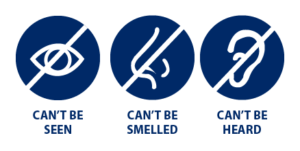
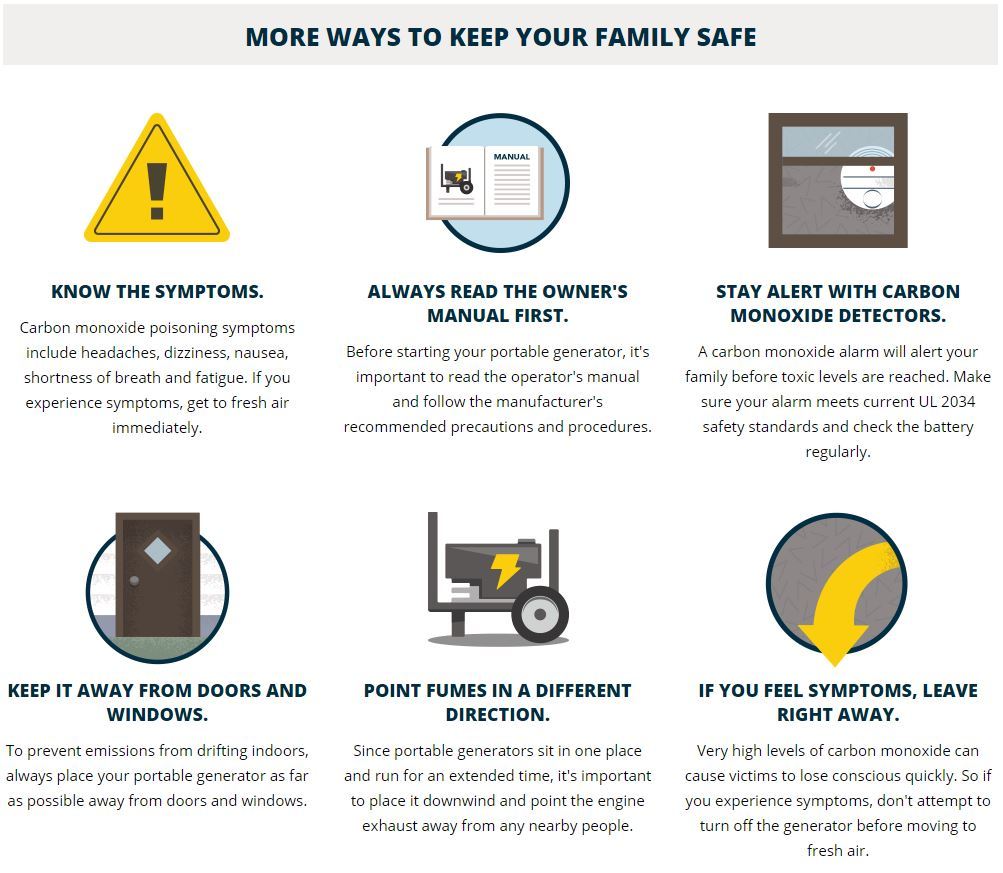
Carbon Monoxide is a real threat that not a lot of people are aware of. Carbon monoxide also known as the “silent killer” is a colorless, odorless gas that is very toxic to humans and animals in high concentrations. If inhaled it can affect you without warning. When exposed, it can have serious long term effects on your health. It basically displaces the oxygen in your body’s blood and cause sever damage to the brain, heart and other vital organs which require oxygen. Symptoms of carbon monoxide poisoning include headache, fatigue, nausea, dizziness, chest pain, and/or muscle weakness. Everyone can be at risk for CO poisoning but people with heart and respiratory problems, young children, and the elderly are at a higher risk.

Carbon Monoxide
Carbon Monoxide is a silent killer.

How is it Produced?

According to Occupational Safety and Health Administration (OSHA), it is a common industrial hazard resulting from the incomplete burning of natural gases and materials that contain carbon such as wood, oil, propane, coal and gasoline. So where can carbon monoxide come from? Most commonly home appliances like fireplaces, gas water heaters, gas furnaces, and wood burning stoves are able to produce the odorless gas. Also if your home’s venting system is installed improperly and you happen to have a gas leak, it can cause the gas to stay in your home instead of venting it outside.

Preventing Carbon Monoxide

So how do you avoid carbon monoxide poisoning? By being prepared!  The Centers for Disease Control and Prevention (CDC) recommends the following guidelines

Prevention tips
CO Prevention Tips


  • Have your heating system, water heater and any other gas, oil, or coal burning appliances checked and serviced by a qualified technician every year.
  • Check and install a battery-operated or battery back-up CO detector in your home.
  • Check and/or replace the batteries when you change the time on your clocks each spring and fall. If the detector sounds leave your home immediately and call 911.
  • If you suspect CO poisoning and feel dizzy, nauseated or light-headed seek medical attention immediately.
  • Don’t use a generator, charcoal grill, camp stove, or other gasoline or charcoal-burning device inside your home, basement, or garage or near a window.
  • Even if you leave the garage door open never run a car or truck inside a garage attached to your house.
  • Don’t burn anything in a stove or fireplace that isn’t vented.
  • Never heat your house with a gas oven.
  • Don’t use a generator, pressure washer, or any gasoline-powered engine less than 20 feet from any window, door, or vent.

Remember if you smell and/or suspect a gas link to immediately call 9-1-1 or PGE at 1-800-743-5000.

Follow us: [wp-svg-icons icon=”google-plus-4″ wrap=”i”]  [wp-svg-icons icon=”facebook-2″ wrap=”i”]  [wp-svg-icons icon=”instagram” wrap=”i”]

Warning Signs Your Chimney Might Need Repairs

chimney inspection nfi csiaMike’s Mobile Chimney Sweep

Usually by the time the average homeowner notices a problem with their chimney, it has probably needed some repairs for quite some time. To avoid any future repairs (big or small) be sure to be on the lookout for these signs.  

  • Damaged Lining

Chimney Liner


Unfortunately, there are usually no obvious signs that a chimney liner is damaged. In some rare cases, you may notice broken masonry in your fireplace and the debris could be bits of a deteriorating flue liner that have fallen into the firebox. Because it is usually not obvious that a liner needs to be repaired, it’s important to have a reputable chimney sweep inspect your chimney’s flue annually. To avoid harmful hazards such as creosote on your liner and home, schedule a chimney sweep to remove the soot and creosote before it turns into Stage 3 and damages your liner.

  • Water Damage

Water Damage


From something as serious as crumbling masonry to something seemingly harmless like droplets of water, both are usually reasons enough to call over a professional chimney sweep to have a look at your chimney. A certified chimney sweep will also be able to inspect your flashing, the chimney cap as well as the crown which tend to be the common causes for a leaking chimney. Other signs of a leaky chimney include:

  Water stains on masonry, walls and/or ceilings.

  A musty odor coming from within the chimney,
   clogged cleaned-out area and/or wet ashes

  To avoid some water damage have your
    chimney waterproofed professionally.

  • Wear and Tear

Damaged firebox


The firebox/fireplace is usually the part of your home’s chimney system that receives the least amount of attention even though it withstands the most heat and abuse. If built with the incorrect materials or if affected by water penetration the masonry can be damaged which can be disastrous. In order to avoid disastrous damages to your firebox, assessing the firebox as part of your monthly home maintenance is the best way to stay on top of it. You can do so by removing ashes and by looking for cracks in your chimney’s masonry.  

For more information on other services Mike’s Mobile Screen & Chimney Service offers visit our website!

If you happen to realize that your home’s chimney does need to have some repairs done, schedule an appointment with us today at TOLL FREE NUMBER 1 877 520 3595!