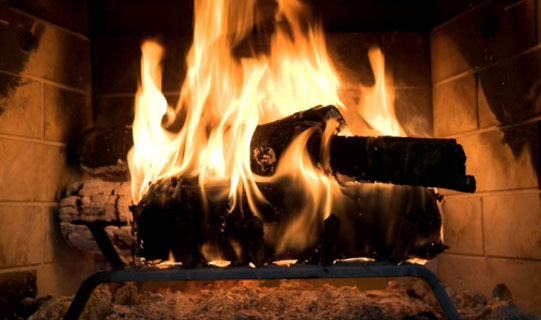
Tips on How to Prevent a Chimney Fire

If you don’t give much thought on the condition of your chimney before lighting fires to warm you up during the chilly season, you and your home could be in danger. When the winter season gets super cold, there tends to be a sharp increase in chimney fires. So what causes a chimney fire? How do I know if I have one? Well the following text will give you helpful tips on how to identify and prevent any future chimney fires.
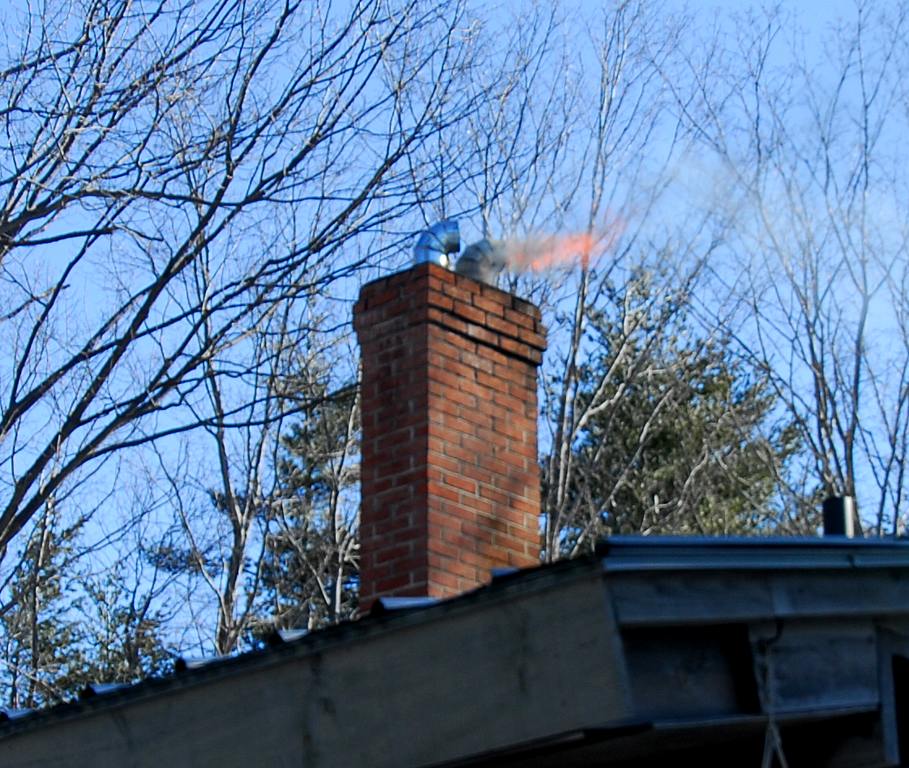
 

Chimney-Fire

So what causes a chimney fire?

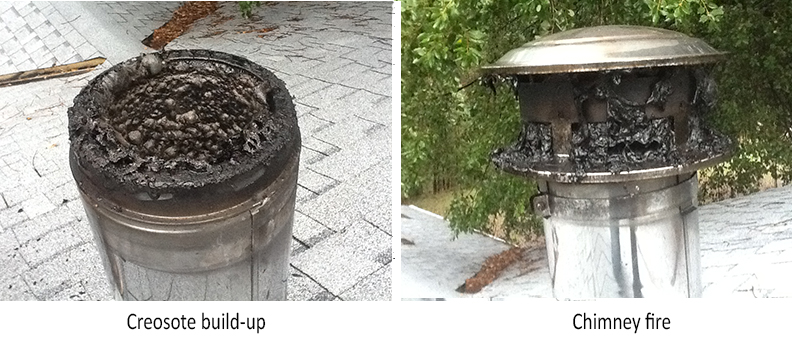
A dirty, unkempt chimney leads to chimney fires. Which can lead to damaging structures, destroying homes and even injuring or killing people. Chimney fires are usually caused by the accumulation of creosote in the chimney. Creosote accumulates in the flue over time and is highly flammable. Creosote is especially likely to accumulate when wood is not being burned at the proper temperature. When it accumulates on the walls of your flue, hot flue gasses can ignite it, resulting in a chimney fire. Depending on the condition of your chimney, such a fire can pose a significant threat to the rest of your house. Furthermore the flames from the fire can find their way through cracks in your clay chimney liner or mortar and ignite framing around the chimney.

What are the indications of a chimney fire?
  • Flames or dense smoke may shoot from the top of the chimney
  • Loud cracking, and popping noises
  • An intense hot smell
  • Low rumbling

Creosote-Chimney-Fire
I just moved into a new home/property, how do I know if my chimney has had a chimney fire?
A chimney fire can occur without the homeowner being aware so it is really important to have your chimney inspected regularly by a certified chimney technician. These are the signs that a certified chimney sweep looks for:

  • Flaky or Puffy creosote
  • Any warped metal seen from the damper, smoke chamber connector pipe or factory-built metal chimney
  • Cracked or damaged flue tiles
  • Cracks found on exterior masonry
  • Distorted rain cap
  • TV antenna (that may be attached or be near chimney) is heat-damaged
  • Some roofing material is damaged from hot creosote
  • Smoke escaping through mortar joints from masonry/tile liners
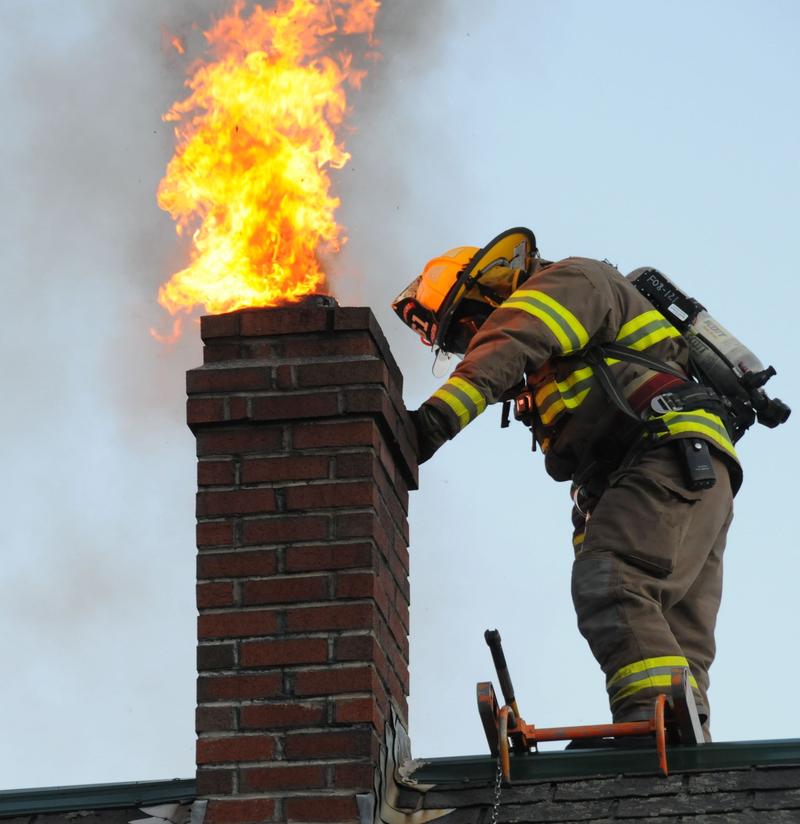
firefighter-chimney-fire

So how do I prevent a chimney fire?

  • Have your chimney cleaned at least annually. The National Fire Protection Association Standard 211 says, “Chimneys, fireplaces, and vents shall be inspected at least once a year for soundness, freedom from deposits, and correct clearances.
  • Allow your firewood to dry for at least a year before burning it, if possible. Burning fresher (or wet) wood can lead to creosote building up and increases your chance of having a chimney fire.
  • Do not burn too hot of a fire. The hotter the fire is the greater the chance that the creosote will ignite.
  • If you have petroleum or gas heating systems, make sure they have a carbon monoxide near the heat source.
  • Should you find yourself near an active chimney fire, please do the following:
  • Immediately call 911! Even if the chimney fire is extinguished, hot spots still poses as a serious threat.
  • NEVER use water to put out the flames! Direct contact with the hot walls can lead to cracking, which can lead to much bigger problems.
Once you are safely out of that situation and the chimney fire has been put out, call one our certified chimney technicians from Mike’s Mobile Screens & Chimney Service to come out and inspect your chimney so that we can right away start repairs! Call us at [button link=”tel:18775203595″ type=”big”] (877) 520-3595[/button]! For more information on all the chimney services we offer, visit us @ http://lhi.19f.mywebsitetransfer.com/chimney-services/

Follow us: [wp-svg-icons icon=”google-plus-4″ wrap=”i”]  [wp-svg-icons icon=”facebook-2″ wrap=”i”]  [wp-svg-icons icon=”instagram” wrap=”i”]
Why is a Chimney Liner and Chimney Lining System Important?

Believe it or not chimney liners actually play an important part in keeping your home safe.

So what is a chimney liner? First let’s define what a chimney liner actually is.

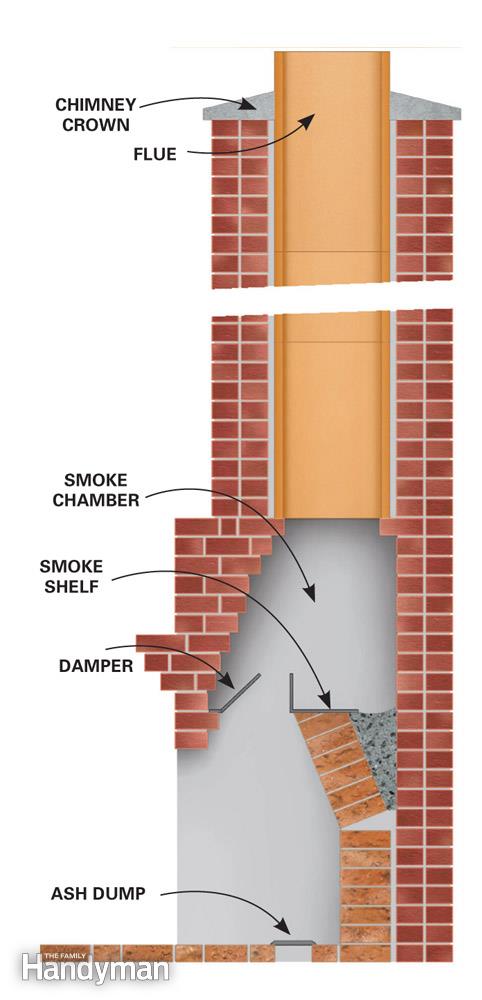
chimney-liner-diagram
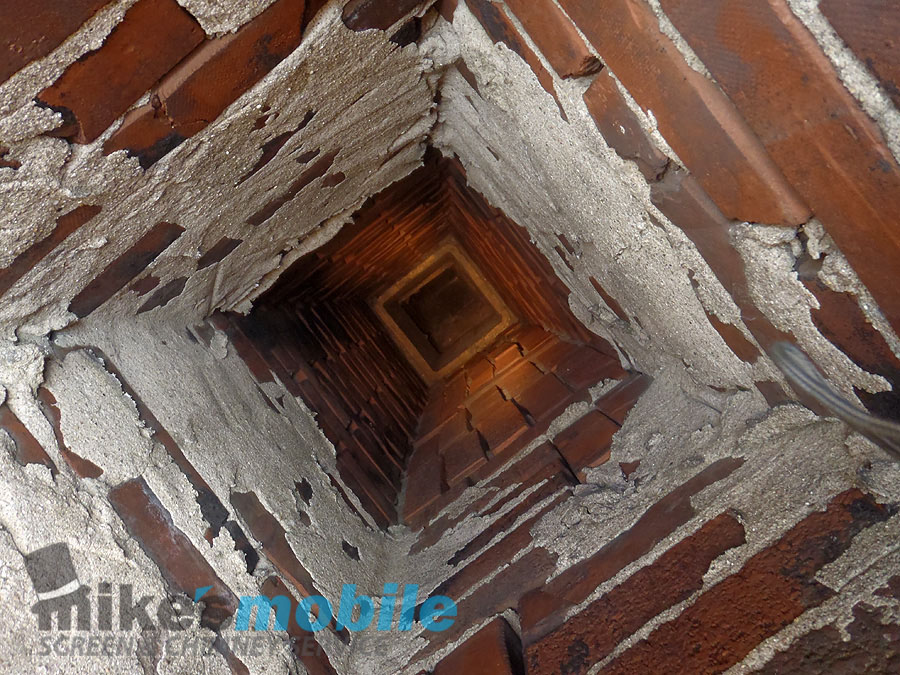
Chimney liners in your masonry chimney are built with terra-cotta clay tiles that are stacked on top of each other and mortared together. A chimney liner is a gas-tight and heat-resistant insulator that protects your home’s masonry chimney.

Another type of liner is a stainless steel liner. These are often found attached to a furnace, wood stove or fireplace. Your heating source will vent up through the stainless steel liner. It is housed inside of your existing brick structure.

New liners gives us efficient chimneys that are safe to use and solve most issues regarding drafting. If a liner is absent or has cracks, there could be heat transfer and gas leaks to combustible materials which can cause a fire seepage through your home’s brick and mortar.

damaged-liner-mikes-mobile

What are the functions of a chimney liner?

  • Prevents damage to your masonry fireplace and chimney.- Bricks, believe it or not, are actually very porous. When you have active flames in your fireplace, the combustion creates corrosive by products. Essentially the mortar joints are eaten away by the corrosion which allows for rapid heat transfer. If this goes unnoticed or not taken care of, eventually dangerous problems like carbon monoxide can leak into your home.
  • Protects you and your home from accidental chimney fires.
    – Another reason why a liner is important, they prevent the risk of accidental fires from breaking out in your home. Chimney liners limit the heat transfers from coming into too much contact with the supporting structures or combustible framing that are near your chimney. These prevent fire hazards from breaking out.

Need to have your chimney lined or maybe realigned? Call Mike’s Mobile Screens & Chimney Service to come out and inspect your chimney so that we can right away start any and all repairs! Call us at [button link=”tel:18775203595″ type=”big”] (877) 520-3595[/button]! For more information on all the chimney services we offer, visit us @ http://lhi.19f.mywebsitetransfer.com/chimney-services/

Follow us: [wp-svg-icons icon=”google-plus-4″ wrap=”i”]  [wp-svg-icons icon=”facebook-2″ wrap=”i”]  [wp-svg-icons icon=”instagram” wrap=”i”]
Chimney Sweep in Sacramento

Mike's Mobile Screen 7 Chimney - Sacramento

Getting a chimney sweep in Sacramento, and surrounding areas, is as easy as giving us a call at (916) 372- 8783 or sending over an email. Our team will work with your schedule and set you up an appointment in a few short minutes.

As the cold weather approaches, getting your chimney ready to burn in is important. Annual safety checks are highly recommended as well as cleanings after ever cord of wood that is burned. Stay up to date and be informed. You can visit www.sparetheair.com or check in with our blog to receive important updates and information regarding this burn season.

Custom Viewguard Installation Done Right!

Mike's Mobile Screen & Chimney Service - Custom Viewguard

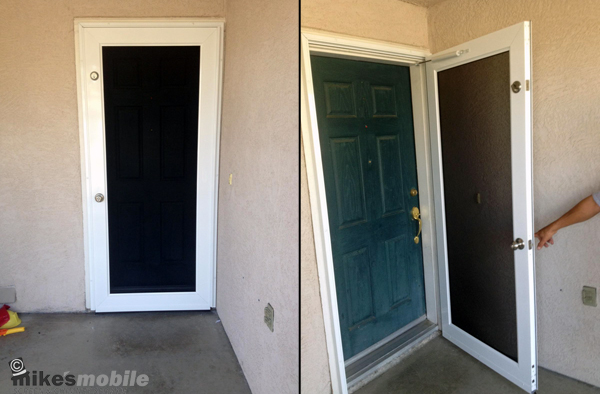
Our featured customer this week is Andrea from Patterson California. Congratulations on your new Viewguard!  Her Viewguard install has some custom features that might interest a potential customer.

The first issue was the handle side. Usually the handles of the existing wood door and Viewguard are on the same side, but as you can see in the pictures that wouldn’t work great here. We changed the location of the handle set and saved her a lot of space. Andrea has small children so it was important for her to have safety in mind. We were able to mount the deadbolt higher than usual to keep her children from possibly opening the door. The last issue was solved by adding a pneumatic door closer. This will ensure that the door closes automatically, even when the family is in a rush. Her family’s safety was at the top of her list and we were able to add some custom features to make this door work.

Congratulations on the new Viewguard again! Thank you for choosing Mike’s Mobile Screen. & Chimney Service

Window and Door Covering Specialist!

DSC00181

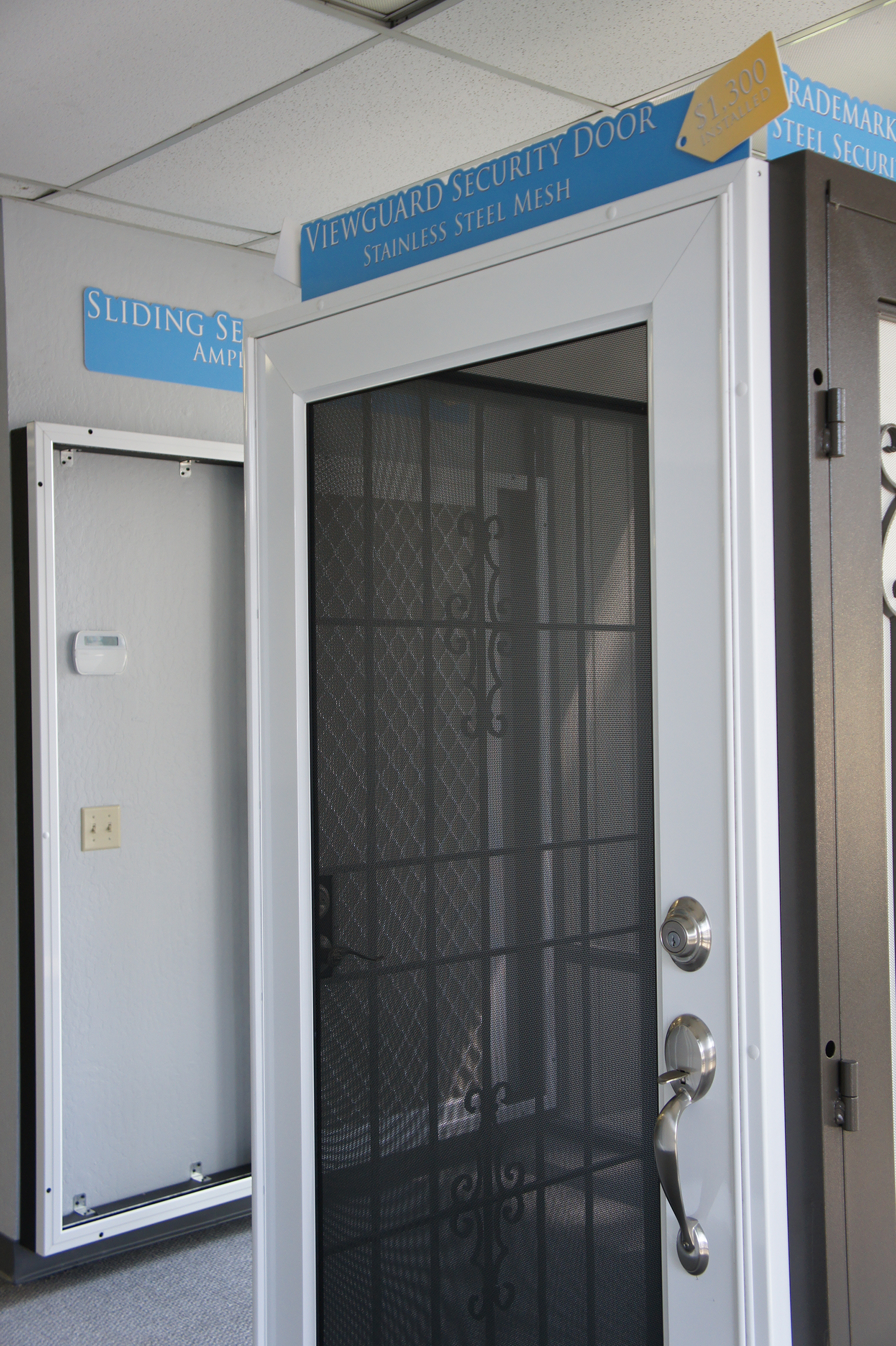
Mike’s Mobile Screen & Chimney Service your window and door covering specialist! These pictures our from a customer that did her entire home with Solar Screens and had a Viewguard Security screen door installed on the front door. This customer will now enjoy savings on their energy bill! Call us today and ask about how we can save you money! Call Toll Free (877) 520-3595

no images were found

Sliding Security Doors Are Here!

Sliding Security Doors - Mike's Mobile Screen & Chimney Service

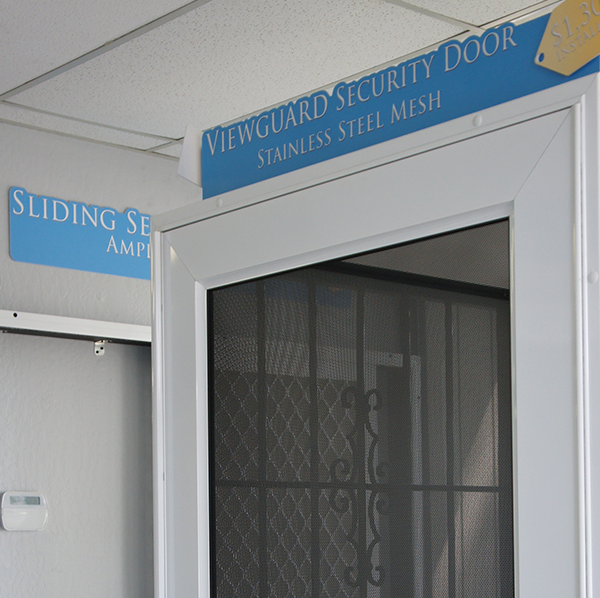
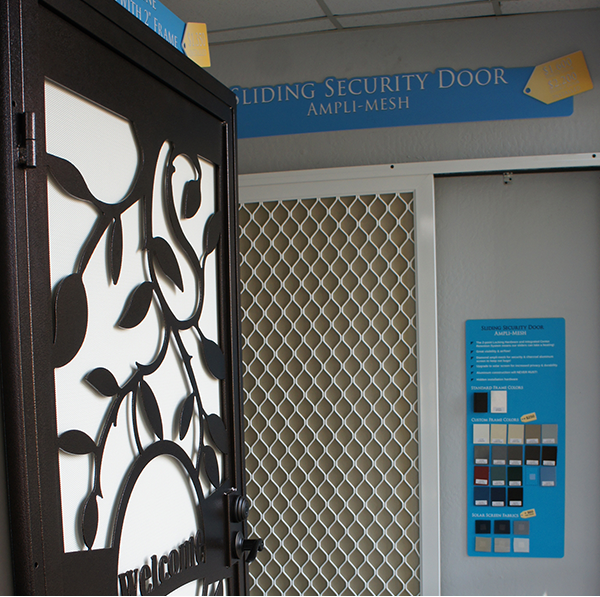
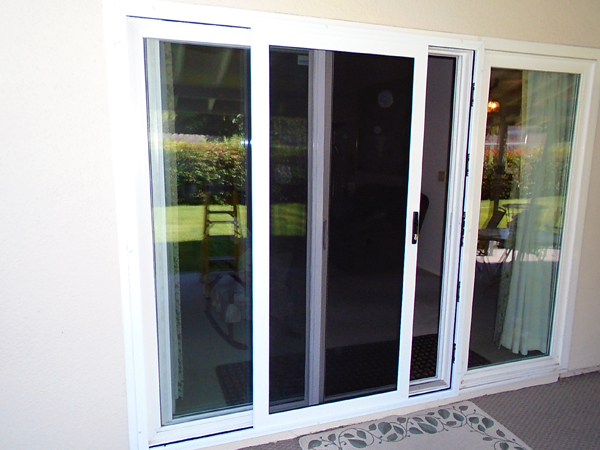
THEY ARE HERE! Mike’s Mobile Screen & Chimney Service now offers Sliding Security Doors! This nifty door takes the place of a sliding screen door and offers you and your family much more security.

These doors are also available in several different styles. Pictured on this page is a recent install at a customer’s home. Margaret loves her door and was very pleased with the installation. She chose the Single Door with Stainless Steel mesh. What isn’t pictured, (Coming soon) is the Double Door. The Double Door offer a secure Stainless Steel mesh on the stationary side as well as the moving door side.

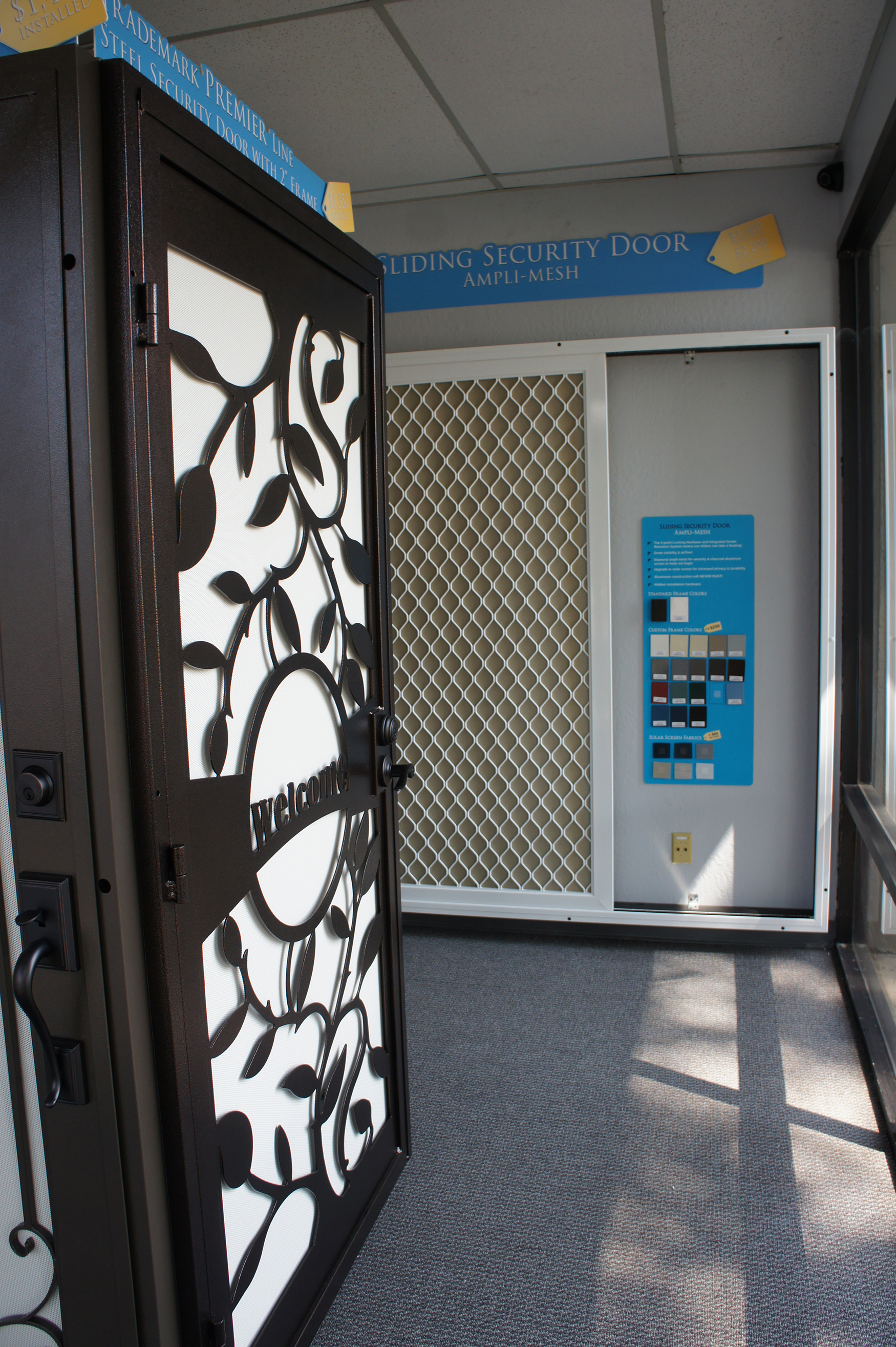
Also available are the Single and Double versions in Amplimesh (Similar to what is on the Tru-Frame Door). No matter what the application calls for we have you covered!

More information will be coming soon and we will have it up on our website as soon as possible. For now please contact our office if you have any questions or would like to set up an appointment to have one of these awesome Security Sliding Doors installed on your home.

Waterproofing to Avoid Efflorescence

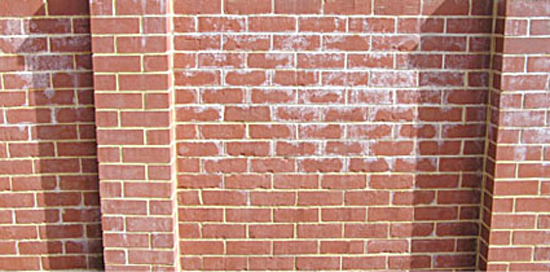
efflorescence_on_brick

What is Efflorescence?

Efflorescence comes from a French word meaning “to flower out.” In chemistry, and in the real world, efflorescence is the loss of water (or a solvent) of crystallization from a hydrated or solvated salt to the atmosphere on exposure to air.

Where does it happen? 

While efflorescence can occur in natural settings it is most commonly seen on built structures. It is especially visible on porous materials like brick. If you do not know what efflorescence is, you may think that it is purely cosmetic. It will appear as a chalky residue on the outside of the brick structure.

What causes efflorescence?

Simply put, if you see efflorescence you have water intrusion. Once water penetrates the brick it will “flower out,” (remember the French definition?) Once water has entered your structure it will freeze and expand causes the integrity of the structure to come into question

What can you do to protect against efflorescence?

Although brick is very durable, extreme weather can have an adverse effect on it over time. Waterproofing your brick/veneer structure will help ensure that your brick work lasts as long as possible. Your brick and your home can benefit tremendously from waterproofing.

“Most sealants are made with siloxane, which chemically bonds to the material and prevents water from passing through it. This type of brick waterproofing sealant is clear, so it does not change the appearance of the building. In fact, rather than staying on the surface of the structure, brick sealant penetrates the material. It will need to be reapplied to older brick structures about every four to seven years, and newer buildings approximately every five to ten years.”

How to Start a Fire

Steps to Start a Fire in your Fireplace

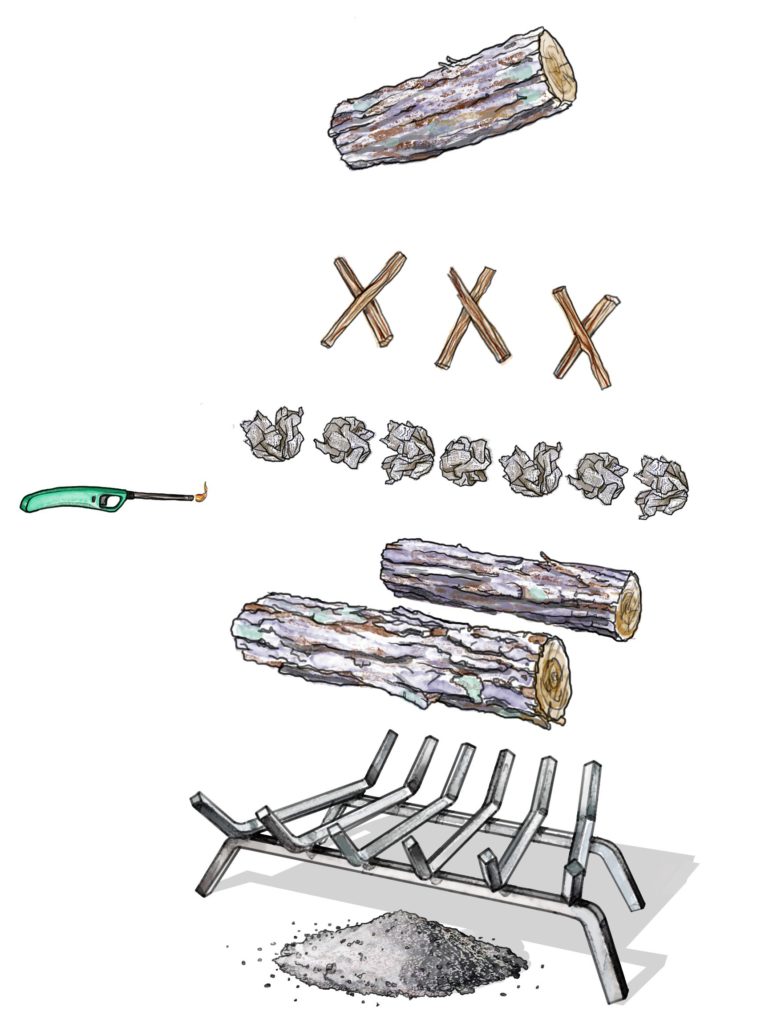
How to start fire steps

1. Before you doing anything else and start fire, be sure to open the damper! You don’t want to accidentally fill up your house with smoke. Hold up a piece of burning, rolled up newspaper in the open damper for about 10 to 15 seconds by using the poker tool. Then light the tinder.

2. You’ll need three things to start your fire: Tinder, Kindling, and Fuel.

You can use small twigs, pine needles or pine cones as tinder. However, old crumbled up newspaper makes the very best tinder when starting a fire in your fireplace.

Kindling such as large twigs, small branches and splits of wood that range from 1/4″ to 1″ in thickness will do.

When fueling your fireplace only use well-seasoned hardwood such as ash, hickory or oak. If you really need to burn soft wood (cedar, fir or red pine) make sure that they are well-seasoned. Signs of seasoned wood are loose bark and cracks at the end of the wood. If you see bubbling liquids in the burning logs, DO NOT BURN!

3. To start the fire begin by arranging 2 (small to medium sized) pieces of firewood on the grate. Between the logs, place the tinder of your choice and cover it with several pieces of kindling.

Don’t be afraid to be generous with the kindling. Place two more pieces of firewood on top of the kindling and two more pieces of firewood at a right angle. Leave some spaces in between for air circulation.

Now you should have a nice burning fire, warming up your home!

Warm Fire Fireplace
 

Follow us: [wp-svg-icons icon=”google-plus-4″ wrap=”i”]  [wp-svg-icons icon=”facebook-2″ wrap=”i”]  [wp-svg-icons icon=”instagram” wrap=”i”]