
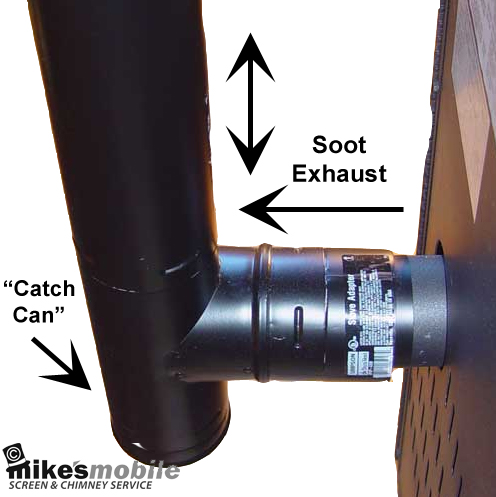
 Pellet stoves are extremely efficient and can be plugged into a standard electrical outlet. Fans inside them maximize their efficiency. The fans deliver warm air back into the home, but also present a problem on the other side. Pellet stoves require more maintenance than traditional fireplaces and insert wood burning stoves because the fans push air and soot around to all of the nooks and crannies of your pellet stove. There are several parts to a Pellet stove which makes it prone to malfunction if not cleaned annually. The parts include: A hopper, an auger system, blower fans, main control box and a firebox. Pellets are loaded into the hopper and then the auger system moves them to the firebox where they are burned. Blower fans take in the cool air from the room to provide fuel for the fire, while another fan blows the warm back out into the room. An exhaust fan pushes the soot out of the back to a vent system known as a T-connection. This T-connection has a built in safety feature called the “catch can.” While this safety feature is a good thing (short term), the soot piles up and will eventually present a problem. Soot will clog the vent (T-connection) and will burn out the fan. Fan motors cause costly repairs for homeowners.
Having your Pellet stove serviced each year by a chimney professional is important and will ensure efficient operation. This kind of consumer vigilance will result in being able to enjoy the efficiency of your pellet stove for years.

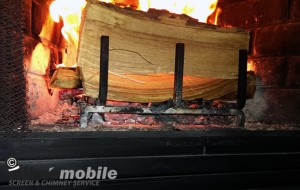 Let’s start by describing what a fireplace grate is. Shown left, a fireplace grate is the cast iron, or metal, stand that your fire wood sits on. Typically it is centered in your fireplace. If you are having smoking issues you will need to make sure the grate is pushed all the way to the back.