Does It Meet Code?

angry_codesMost homeowners want to know if the work they will have done to their home “meets code.” This is a tricky question with many answers and many prerequisites that need to be addressed before you answer. Codes are an ever-changing thing. They are written by large national organizations made up by government, and industry officials. The question “Does it meet code” depends on many factors and isn’t a clear yes or no.

Understanding Codes

Codes are a moving object. By that I mean that they are always changing. In fact, codes are changed, adjusted and made about every 3 years. They get changed because we want to improve upon them as well as make structures safer. An indirect result of these changes is the ability to understand how things hold up or deteriorate.

Does it meet code?

The answer to this question depends on when, who and where you ask. Something that meets code perfectly today might not meet code tomorrow. Houses that were built a short while ago could have been perfectly built to meet code, but today they do not. You could also build the same house in two different states or even cities, and one may not pass

Inconsistent Code

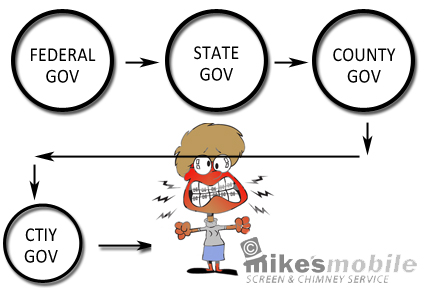
As with a lot of things, codes start at the Federal level and trickle down the bureaucratic ladder. State, county, city and municipality codes are enough to make a person scream. Who’s got time to research all of this?

The Code Police

Private home inspectors have no authority to enforce the building code. The municipal inspectors are the only people who can determine whether or not something meets code. And since they are people, even that can vary.

Grandfathered Code

The word ‘grandfather’ does not appear in the building codes. What?! Yes, Grand fathered in doesn’t mean anything since building codes are for new buildings only. Codes aren’t retroactive. In conclusion, safety takes precedent over all things when doing construction. Things that are unsafe are more important than minor changes over the years that don’t present a danger.
What Kind Of Inspection Do You Need?

levelsThere are 3 Levels to chimney inspections.  Mike’s Mobile includes a Level I inspection with every chimney sweep. Here is a breakdown so you can see what happens during each type of inspection.


Level One Chimney Inspection

If your chimney performance, appliance or venting system has not changed and you simply want to be confident in the continued safe use of the system, you will need the Level 1 inspection done on an annual schedule. We usually combine this service with the annual cleaning and sweeping that should be scheduled to guarantee continued safe use of your stove, chimney or furnace.
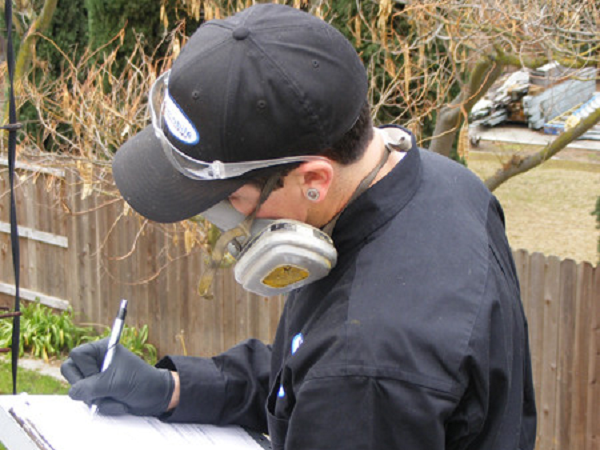
Our chimney inspection tech will examine the readily accessible portions of the interior and exterior areas of the chimney and the appliance or chimney connection. This includes the firebox, smoke chamber and damper along with the cap and crown on the exterior of your chimney if accessed with cleaning. We will be looking for any chimney structure or flue defect or underperforming areas with the appliance installation or connections. The whole system must be found to be clear of any blockage or deposits that may be combustible.

Level Two Chimney Inspection

A Level 2 inspection is recommended when you have had any changes done to your system. If you have changed fuel type, or had the chimney relined, if you have replaced your furnace or appliance (especially if the rating or efficiency differs from what was there prior). If you recently bought the home and are not familiar with the system performance, plan to do modifications to your chimney, stove or heating system or have had a chimney fire recently a Level 2 inspection is in order.
A Level 2 inspection is an in-depth look at the entire chimney, stove or furnace system. It includes all steps covered with a Level 1 inspection and also includes a visual inspection of all internal surfaces and joints. If necessary, we use a color video inspection camera to look inside the chimney or flue. This allows for a complete top to bottom visual inspection of your system.
A written report is produced that details all areas that may be of concern.

Level Three Chimney Inspection

Level 1 and 2 methods are included with Level 3 inspections, but with this type inspection portions of the structure or chimney will be required to fully investigate the deficiencies that exist. Many areas that are concealed from visual examination may need to be opened up by removing bricks, masonry, metal flue pipes, interior chimney walls, chimney crowns or other components of your system. These inspections are only required when the earlier inspection Level 1 or 2 reveals a serious problem and we need to gain access to the problem areas hidden from view. Level 3 inspections are needed on less than 2% of all inspections when serious problems are suspected that require immediate action.

Picking Out The Right Firewood

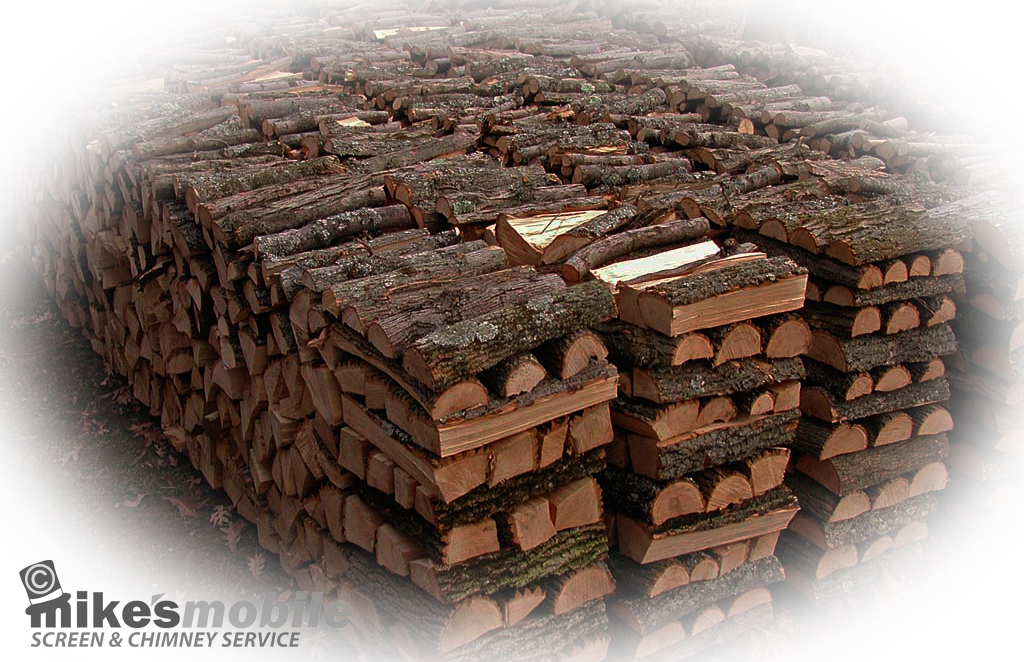
Picking out FirewoodPicking out the right firewood can be just as important as keeping your chimney maintained. The right firewood will help you wood stove, or fireplace burn more efficiently. Picking out the wrong wood that isn’t seasoned can cause smoking problems, odor problems, creosote buildup or even dangerous chimney fires. We’ve teamed up with our friends at the CSIA to help you pick out the right wood.

Click Here to see guidelines for the following:

Seasoned Wood
Storing Wood
Buying Wood
(If you’re in the San Joaquin Valley be sure to check out Dave’s Firewood 209-464-6157)
Top Firewood Tips

The Dangers of Carbon Monoxide

Carbon Monoxide Dangerous?

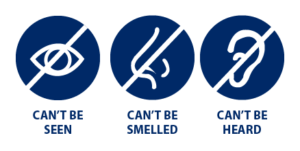
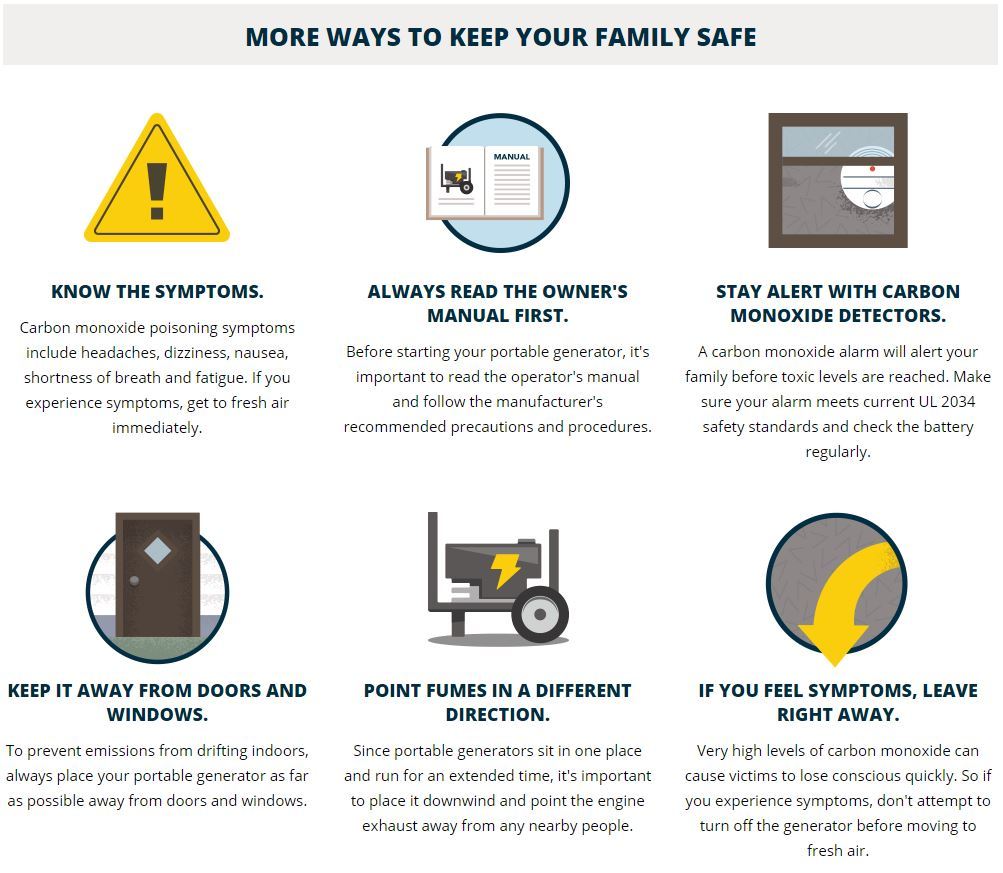
Carbon Monoxide is a real threat that not a lot of people are aware of. Carbon monoxide also known as the “silent killer” is a colorless, odorless gas that is very toxic to humans and animals in high concentrations. If inhaled it can affect you without warning. When exposed, it can have serious long term effects on your health. It basically displaces the oxygen in your body’s blood and cause sever damage to the brain, heart and other vital organs which require oxygen. Symptoms of carbon monoxide poisoning include headache, fatigue, nausea, dizziness, chest pain, and/or muscle weakness. Everyone can be at risk for CO poisoning but people with heart and respiratory problems, young children, and the elderly are at a higher risk.

Carbon Monoxide
Carbon Monoxide is a silent killer.

How is it Produced?

According to Occupational Safety and Health Administration (OSHA), it is a common industrial hazard resulting from the incomplete burning of natural gases and materials that contain carbon such as wood, oil, propane, coal and gasoline. So where can carbon monoxide come from? Most commonly home appliances like fireplaces, gas water heaters, gas furnaces, and wood burning stoves are able to produce the odorless gas. Also if your home’s venting system is installed improperly and you happen to have a gas leak, it can cause the gas to stay in your home instead of venting it outside.

Preventing Carbon Monoxide

So how do you avoid carbon monoxide poisoning? By being prepared!  The Centers for Disease Control and Prevention (CDC) recommends the following guidelines

Prevention tips
CO Prevention Tips


  • Have your heating system, water heater and any other gas, oil, or coal burning appliances checked and serviced by a qualified technician every year.
  • Check and install a battery-operated or battery back-up CO detector in your home.
  • Check and/or replace the batteries when you change the time on your clocks each spring and fall. If the detector sounds leave your home immediately and call 911.
  • If you suspect CO poisoning and feel dizzy, nauseated or light-headed seek medical attention immediately.
  • Don’t use a generator, charcoal grill, camp stove, or other gasoline or charcoal-burning device inside your home, basement, or garage or near a window.
  • Even if you leave the garage door open never run a car or truck inside a garage attached to your house.
  • Don’t burn anything in a stove or fireplace that isn’t vented.
  • Never heat your house with a gas oven.
  • Don’t use a generator, pressure washer, or any gasoline-powered engine less than 20 feet from any window, door, or vent.

Remember if you smell and/or suspect a gas link to immediately call 9-1-1 or PGE at 1-800-743-5000.

Follow us: [wp-svg-icons icon=”google-plus-4″ wrap=”i”]  [wp-svg-icons icon=”facebook-2″ wrap=”i”]  [wp-svg-icons icon=”instagram” wrap=”i”]

Does My Dryer Vent Need To Be Cleaned?

Now that you know your dryer vent should be cleaned semi-annually, here are some things to look out for. You may need a dryer vent cleaning annually or as these issues arise.

  • When it takes longer for your clothes to dry than it used to.
  • If your dryer is running hot. (Check to see if the top surface is hot to the touch)
  • If you cannot remember cleaning your dryer vent in the past.
  • If you dry a lot of fuzzy blankets, or have multiple animals.

Paying attention to these things can reduce the risk of a fire and increase the efficiency of your dryer. These tips will help you keep your dryer working properly for more years.

Negative Pressure?

Chimneys use a lot of air to fuel their fires. This air has to come from somewhere. Some houses are so air tight that a negative-pressure system can develop, ensuring that your fire will not draft properly. This problem can be made worse by other appliances competing for the same air (i.e. Range hoods, bathroom vents, clothes dryers, forced draft services.

Fortunately this problem is very easy to diagnose. If your chimney is beginning to smoke you can crack a nearby window or door and the draft should fix itself. Mike’s mobile can install an air vent for makeup air if this is your problem. These vents can be closed when not in use so energy is not wasted.

Seasoned Firewood?

Seasoned FirewoodFirewood should be completely seasoned- any excess moisture in the wood takes energy out of the fire and can cause a weak draft. Firewood should be properly sized for the fireplace- it might be necessary to split logs to have smaller, dryer wood.

Homeowner’s Guide to a Smoking Chimney

Guide to Smoking ChimneysProfessional chimney technicians identify potential chimney problems when they do cleanings and inspections. Some problems, however, are more easily diagnosed with the homeowner’s help since you can identify them as they have to do with particular burning situations when we might not be around. The following guide is written especially for homeowners who have issues with a smoking chimney.

Consult with this checklist to gain control of your smoking chimney. If you’re still  having problems call Mike’s Mobile today and we can help!


Warning Signs Your Chimney Might Need Repairs

chimney inspection nfi csiaMike’s Mobile Chimney Sweep

Usually by the time the average homeowner notices a problem with their chimney, it has probably needed some repairs for quite some time. To avoid any future repairs (big or small) be sure to be on the lookout for these signs.  

  • Damaged Lining

Chimney Liner


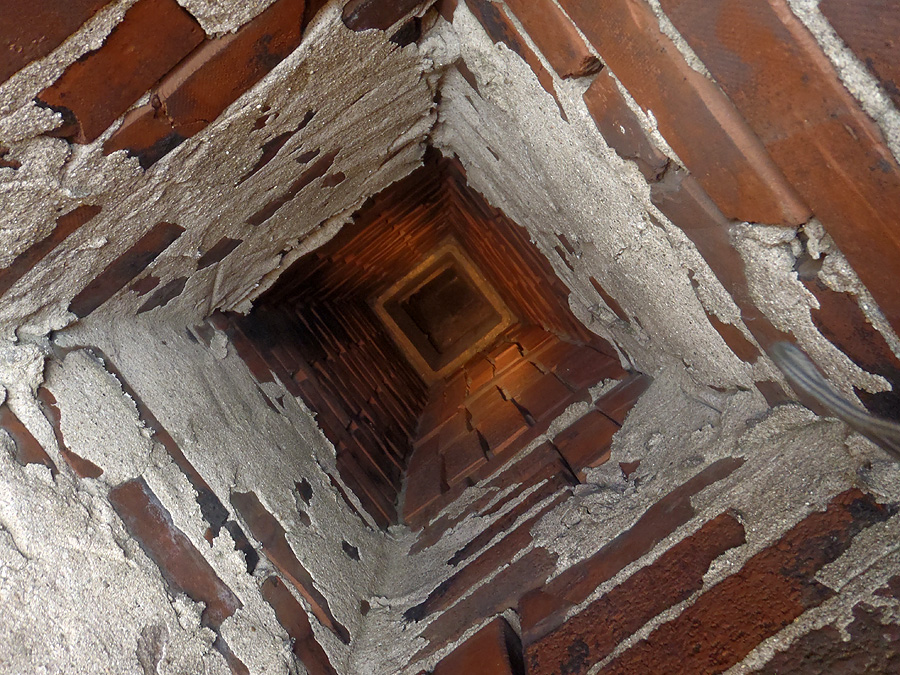
Unfortunately, there are usually no obvious signs that a chimney liner is damaged. In some rare cases, you may notice broken masonry in your fireplace and the debris could be bits of a deteriorating flue liner that have fallen into the firebox. Because it is usually not obvious that a liner needs to be repaired, it’s important to have a reputable chimney sweep inspect your chimney’s flue annually. To avoid harmful hazards such as creosote on your liner and home, schedule a chimney sweep to remove the soot and creosote before it turns into Stage 3 and damages your liner.

  • Water Damage

Water Damage


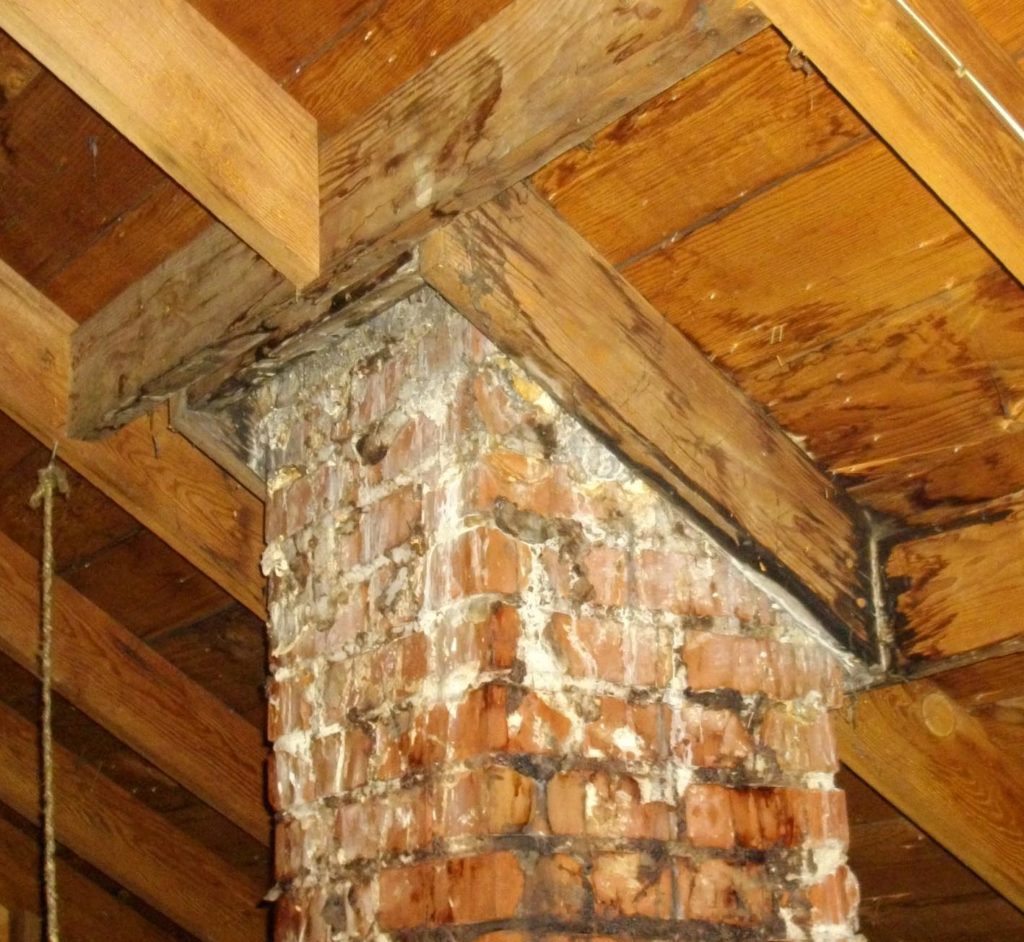
From something as serious as crumbling masonry to something seemingly harmless like droplets of water, both are usually reasons enough to call over a professional chimney sweep to have a look at your chimney. A certified chimney sweep will also be able to inspect your flashing, the chimney cap as well as the crown which tend to be the common causes for a leaking chimney. Other signs of a leaky chimney include:

  Water stains on masonry, walls and/or ceilings.

  A musty odor coming from within the chimney,
   clogged cleaned-out area and/or wet ashes

  To avoid some water damage have your
    chimney waterproofed professionally.

  • Wear and Tear

Damaged firebox


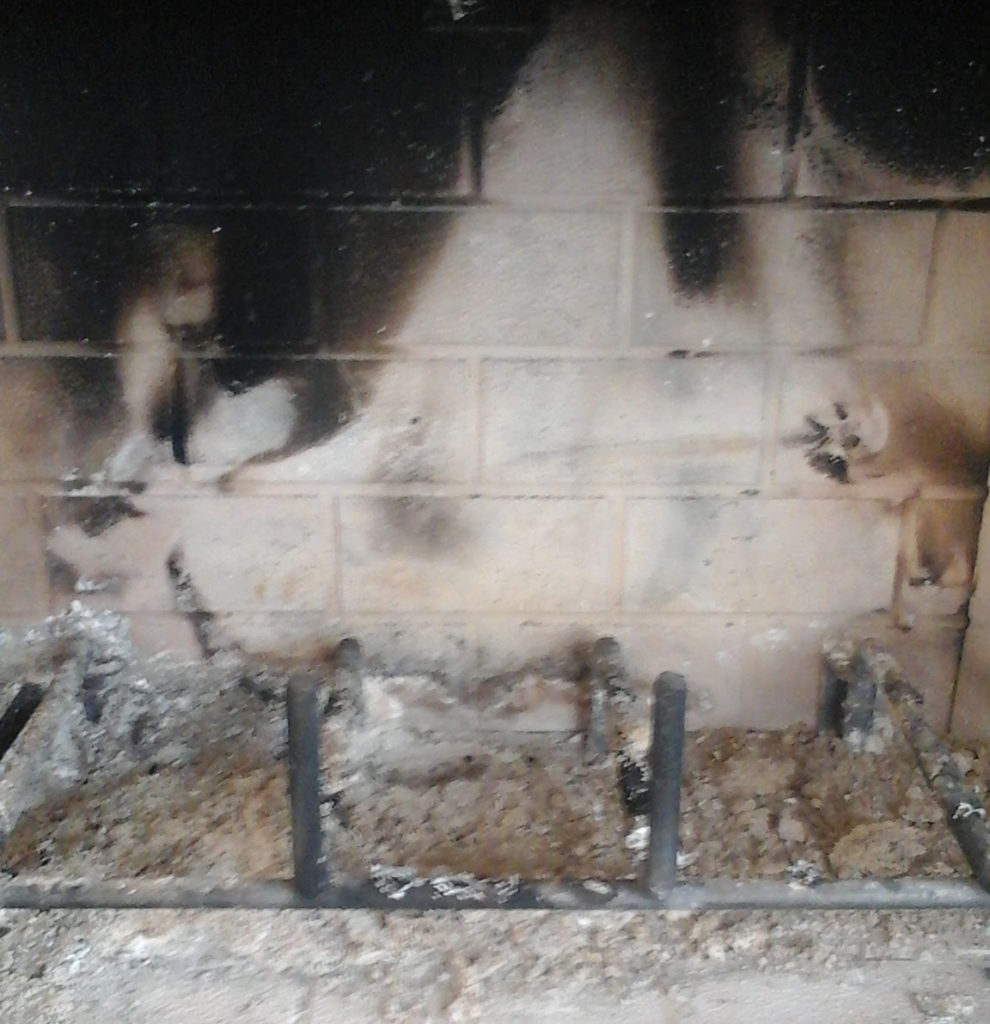
The firebox/fireplace is usually the part of your home’s chimney system that receives the least amount of attention even though it withstands the most heat and abuse. If built with the incorrect materials or if affected by water penetration the masonry can be damaged which can be disastrous. In order to avoid disastrous damages to your firebox, assessing the firebox as part of your monthly home maintenance is the best way to stay on top of it. You can do so by removing ashes and by looking for cracks in your chimney’s masonry.  

For more information on other services Mike’s Mobile Screen & Chimney Service offers visit our website!

If you happen to realize that your home’s chimney does need to have some repairs done, schedule an appointment with us today at TOLL FREE NUMBER 1 877 520 3595!

How Often Should I Have My Dryer Vent Cleaned?

dryer-vent

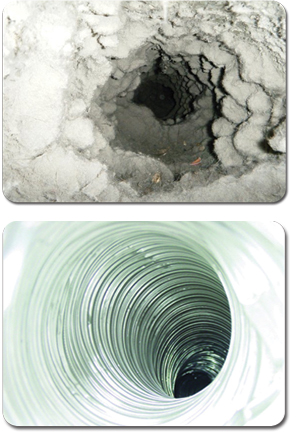
If you’re wondering how often you should have your dryer vent cleaned; the answer is about every 2 years. According to The Consumer Product Safety Commission, 15,000 fires occur each year due to obstructed airflow because of lint buildup in consumer clothes dryers. Lint from textiles (clothes) is extremely flammable.

Not only is a clean dryer vent more safe, it’s also more efficient. A dryer vent clogged with lint reduces airflow so your dryer doesn’t dry as efficiently as it used to. An inefficient dryer wastes energy, wastes money and presents a fire danger to your home.

Check out our blog for more information about dryer vents.